
Reviewed · SYDNEY HARBOUR CRUISES
Photography Essentials Workshop in Sydney Harbour Foreshore
Sydney Harbour becomes your classroom in this four-hour photography workshop. Instead of simply collecting snapshots of the Opera House and Harbour Bridge, you learn how to read light, frame a scene, and use your camera with purpose. The class is designed for beginners and anyone who needs a fresh start.
I like the small maximum group of 10, which gives you a better chance to ask questions and get help with your own camera. I also like the route, since it joins major Sydney sights with the older lanes and corners of The Rocks.
The main consideration is your equipment. This class requires a camera with full manual capability, such as an SLR or mirrorless model. A compact camera without full manual controls is not suitable, and the four-hour walk calls for a moderate level of fitness.
Key points to know before booking
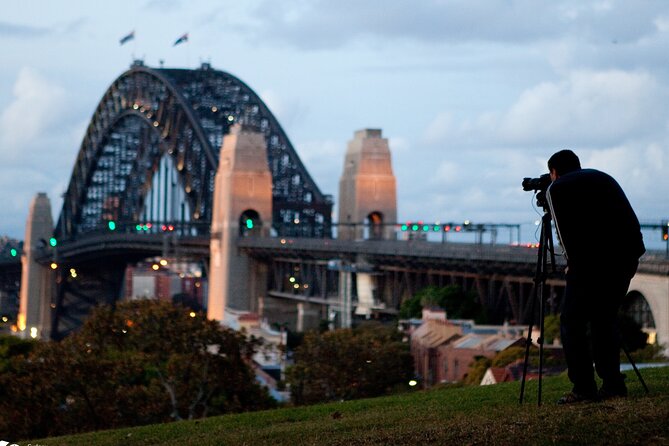
- Manual photography from the start: Learn what your camera modes do, then work toward creative control in manual mode.
- Four classic Sydney locations: Photograph the Opera House, Harbour Bridge, Circular Quay, and The Rocks.
- Professional instruction: The workshop is led by an award-winning Sydney photojournalist. Published course information identifies Glenn Lockitch as a tutor, while past course feedback names Daniel Linnet, so confirm the instructor when booking.
- A useful beginner format: The class covers lenses, camera controls, composition, pre-visualisation, and changing light rather than focusing only on tourist photographs.
- Small-group teaching: No more than 10 people are scheduled, a helpful size for hands-on camera coaching.
- Outdoor conditions matter: Poor weather can lead to a new date or a full refund, so keep your schedule flexible.
Why this Sydney photography class is worth your time
The appeal here is not just the chance to photograph famous buildings. Sydney Harbour already supplies strong subjects, but good subjects do not automatically produce good photographs. You still need to decide where to stand, what to include, how much light to allow in, and what story the frame should tell.
This workshop is built around those decisions. You learn the basic controls of your camera, then apply them outside among real streets, water, architecture, people, and changing light. That shift from classroom theory to on-the-spot practice is important. Many beginners can repeat the words aperture, shutter speed, and ISO, yet still freeze when a scene appears in front of them.
The class also aims to teach pre-visualisation. In plain terms, you begin thinking about the finished photograph before pressing the shutter. That may mean seeing a strong shape against the sky, anticipating how sunlight will fall across a building, or choosing a slower shutter speed for a particular effect.
I especially like that the course covers all camera modes before moving toward manual operation. You do not have to arrive already fluent in photography. The approach is suited to someone who has recently bought a camera, uses automatic settings most of the time, or wants to rebuild confidence after a long break.
More harbour cruises in Sydney:
- Sydney: Morning or Afternoon Harbour Sightseeing Cruise
★ 4.7 · 1,520 reviews - Sydney Harbour Sunset Dinner Cruise from Darling Harbour
★ 4.0 · 1,122 reviews - 30-Minute Sydney Harbour Jet Boat Ride on Thunder Twist
★ 5.0 · 841 reviews
Starting at Customs House at noon
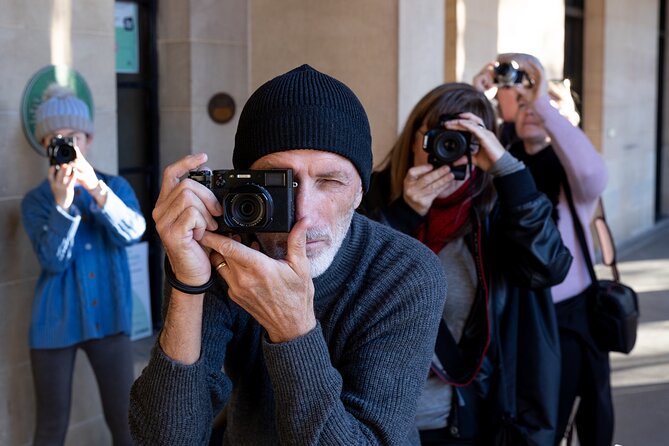
The meeting point is Customs House at 31 Alfred Street, Sydney. The workshop starts at 12:00 pm and finishes back at the same meeting point after about four hours.
A midday start has both good and bad sides. You get a practical daytime session, with enough light to see how your camera handles bright outdoor scenes. Sydney Harbour also offers plenty of contrast between sunlit buildings and darker areas, giving the tutor useful examples for explaining exposure.
The tradeoff is that midday light can be harsh. It may create strong shadows and bright highlights, especially around open areas near the water. That is not necessarily a weakness for a photography lesson. It gives you a chance to learn how to work with difficult light rather than waiting for perfect conditions.
Because the session is outdoors, wear comfortable shoes and bring only the equipment you can carry easily. The stated fitness requirement is moderate, so this is not presented as a strenuous hike, but you should expect to walk between several harbour locations.
The Opera House: learning to frame an icon
The Sydney Opera House is an easy place to begin because it offers instantly recognisable shapes. Its roof shells, clean lines, and position beside the harbour give you several ways to approach composition.
The challenge is avoiding the standard postcard view. A tutor can help you consider how much of the building belongs in the frame, what role the harbour plays, and whether the image works better as a broad scene or a tighter study of form and texture.
This is where composition lessons become practical. You may work with balance, leading lines, negative space, and the placement of the main subject. The point is not to use technical terms for their own sake. The point is to understand why one arrangement feels stronger than another.
The Opera House is also useful for discussing light. White surfaces can fool a camera into making an image too dark or too bright, depending on the surrounding scene. Learning to check exposure and adjust your settings here can help you long after you leave Sydney.
Harbour Bridge: scale, structure, and exposure
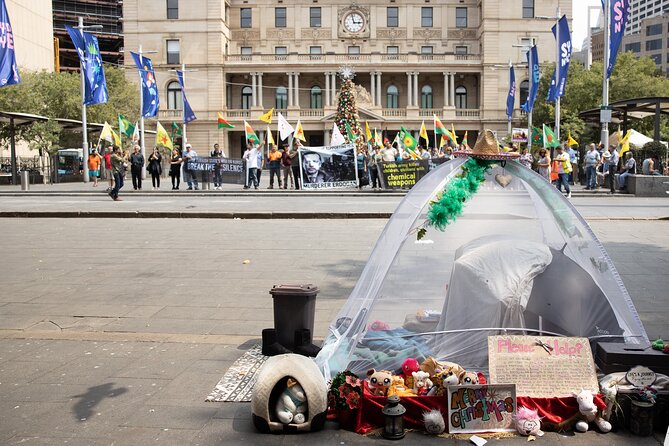
The Harbour Bridge gives the workshop a different subject. Its steel structure is bold, repetitive, and full of strong lines. You can use those lines to guide the eye through a frame or show the bridge as a massive architectural form.
The bridge also helps you think about scale. A photograph can show the whole structure, isolate a section, or place it behind another subject to suggest distance. Your tutor’s job is to help you notice those choices instead of accepting the first angle that appears.
Bright sky and darker metal can create exposure problems. This makes the bridge a useful setting for discussing how your camera measures light and how manual adjustments affect the result. You begin to see that manual mode is not about making every decision difficult. It is about taking control when the camera’s automatic choice does not match your intention.
If you carry a heavy camera bag, this part of the route may feel less comfortable than a stationary lesson. Bring the camera and lens combination you are most likely to use. A workshop like this is more useful when you can handle your equipment without distraction.
More photo sessions in Sydney:
- Sydney: Private Photoshoot outside the Opera House
★ 4.6 · 40 reviews - Sydney Photography Course in the Historic Rocks Area
★ 5.0 · 35 reviews - Photoshoot in stunning locations! (sydney)
★ 5.0 · 26 reviews - Professional Photoshoot at Opera House
★ 3.5 · 10 reviews
Circular Quay: working with movement and changing scenes
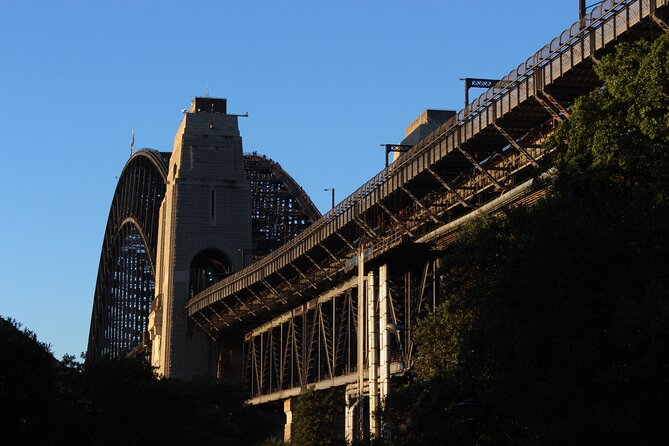
Circular Quay connects the harbour icons with the city around them. It gives you a busier setting, with architecture, open water, ferries, pedestrians, and shifting viewpoints.
This is a good place to practise timing. A scene can change in seconds as a person crosses the frame, a boat moves into view, or the light shifts across a building. You learn to watch before taking a picture, then choose the moment that supports the composition.
Circular Quay can also test your ability to simplify. With so much happening, it is easy to fill a photograph with competing subjects. The workshop’s emphasis on pre-visualisation helps you decide what the picture is really about.
The open setting should suit photographers who learn by doing. You are not only hearing how shutter speed works. You are applying it to subjects that move or change. The class can therefore be more useful than a purely indoor introduction, provided you are comfortable learning in public and adjusting settings while the scene develops.
The Rocks: a change of mood and texture
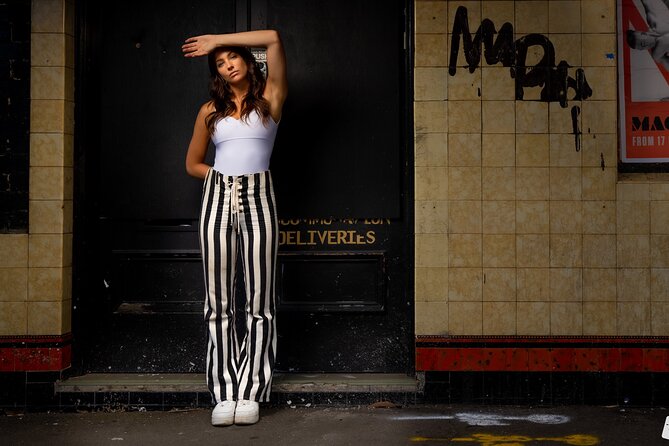
The final named stop is The Rocks, where the visual character shifts from open harbour views to older streets and tighter spaces. This gives the workshop a welcome change of pace.
Here you can work with texture, shadows, walls, lanes, and architectural details. The area is valuable because not every good photograph needs a sweeping view. A smaller subject can be just as effective when the light, framing, and timing are right.
The Rocks is also a natural place to practise finding photographs rather than waiting for them to appear. You may need to look carefully at doorways, surfaces, patterns, and the way buildings meet the street. That supports the class goal of developing a creative eye.
The route includes both well-known and less obvious photographic locations around the harbour foreshore. The exact minor stops are not specified, so you should not expect a fixed list of secret viewpoints. Instead, think of the route as a guided search through a particularly photogenic part of central Sydney.
What you actually learn about your camera
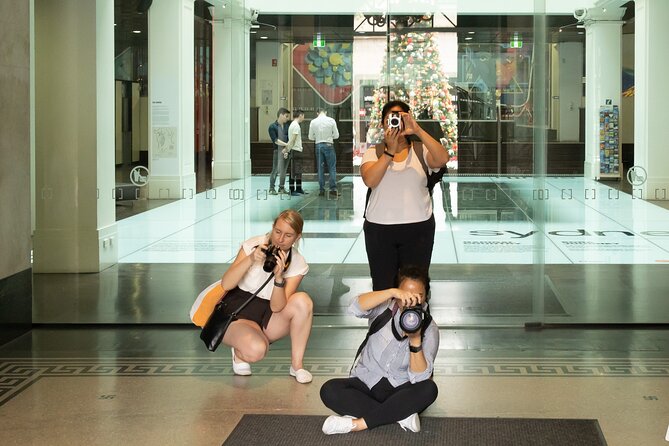
The workshop starts with the basic parts of a useful digital photography kit, including the camera and lenses. It then explains the different shooting modes and the situations in which they can help.
The important step is the move toward manual mode. You learn how aperture, shutter speed, and ISO work together, then use those controls to shape the photograph rather than simply accept the camera’s default choice.
The class also covers lighting conditions. This matters because a camera does not see a scene exactly as your eyes do. Strong highlights, dark shadows, backlighting, and changing outdoor conditions can all affect the final image.
The course aims to build several habits:
- Look at the light before raising the camera.
- Decide what deserves attention in the frame.
- Choose settings that support the subject.
- Think about the final image before pressing the shutter.
- Check the result and make a useful adjustment.
These are simple ideas, but they form the basis of better photography. The value comes from practising them immediately at real locations.
The instructor and teaching style
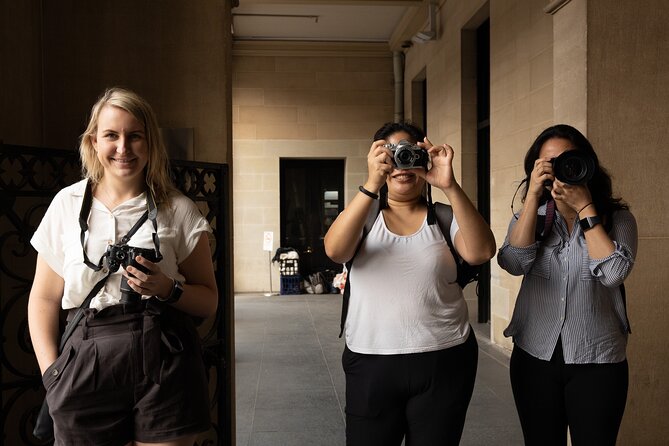
The experience is described as being led by an award-winning Sydney-based photojournalist with a passion for photography. The supplied course material identifies Glenn Lockitch as the tutor, while past comments about Sydney Photographic Workshops specifically praise Daniel Linnet’s clear and easy-to-follow teaching.
That difference in names is worth noting. It may reflect different instructors or different course dates, so confirm who will lead your session if the tutor is important to your booking decision.
The teaching style described is practical rather than showy. You should expect explanations of the camera, lenses, shooting modes, composition, and light, followed by outdoor practice. The small group limit of 10 supports individual questions, although the amount of personal attention will depend on the final group size.
Past course feedback also gives useful insight into the format. One person particularly valued the street excursion because it helped turn theory into practice. That is a strong reason to choose this workshop over a lesson that stays indoors or relies only on slides.
Price, group size, and overall value
At $107.59 per person, the workshop sits in the range where the value depends on how much direct instruction you want. You are paying for about four hours with a professional photographer, practical work around major Sydney sights, and help using your own camera.
That can be good value for a beginner who would otherwise spend hours trying to understand manual settings alone. It is also useful if you want feedback while photographing real subjects instead of learning only from a book or video.
The value is lower if you already use manual mode confidently and want advanced work on portrait lighting, studio technique, night photography, or specialist lenses. Those subjects are not part of the stated focus. This is an introduction, not a masterclass for experienced photographers.
The group cap helps. Ten people is small enough to make questions possible, though it is not the same as a private lesson. If you want one-on-one coaching throughout, ask about private options before booking.
Practical details that affect your decision
A mobile ticket is provided, and confirmation is sent when you book. The class is near public transportation, making the central meeting point at Customs House practical for reaching the start.
Service animals are allowed. The experience requires a minimum number of participants, so it can be canceled if that number is not reached. In that case, you are offered another date or experience, or a full refund.
Weather is an important factor. If poor conditions lead to cancellation, you can choose another date or receive a full refund. You can also cancel for a full refund if you do so at least 24 hours before the start time. Changes or cancellations inside that period are not accepted and are not refunded.
For your own comfort, bring a camera with full manual capability and enough space to carry it for four hours. An SLR or mirrorless camera is suitable. A compact camera without full manual controls is not.
Who should book this workshop?
I would recommend it most strongly to:
- First-time interchangeable-lens camera owners.
- Beginners who rely on automatic mode.
- People returning to photography after a long break.
- Visitors who want to photograph Sydney with more intention.
- Anyone who learns best through immediate outdoor practice.
It is less suitable if you want a relaxed sightseeing walk with only occasional photography tips. It is also not the right choice for a compact camera without full manual functions, or for photographers seeking advanced specialist instruction.
Should you book the Sydney Harbour photography workshop?
Book it if you want a practical introduction to manual photography and like the idea of learning among Sydney’s most photogenic locations. The combination of Opera House views, Harbour Bridge structure, Circular Quay movement, and The Rocks’ tighter streets gives you several kinds of subjects in one half-day.
The best reason to choose it is the move from explanation to practice. You are not just told how a camera works. You get the chance to apply composition, exposure, lighting, and timing while the harbour is in front of you.
Skip it if you already understand manual exposure or need a private, advanced, or highly specialised class. For beginners with a suitable camera, the small group, professional instruction, and strong route make the $107.59 price a sensible way to begin taking more deliberate photographs of Sydney.
FAQ
Where does the photography workshop start?
It starts at Customs House, 31 Alfred Street, Sydney, NSW 2000, Australia.
What time does the workshop begin?
The start time is 12:00 pm.
How long does the experience last?
The workshop lasts approximately four hours.
Where does the workshop finish?
The activity finishes back at the meeting point at Customs House.
Which Sydney locations are included?
The named stops are the Sydney Opera House, Sydney Harbour Bridge, Circular Quay, and The Rocks.
What type of camera do I need?
You need a camera with full manual capability, including an SLR or mirrorless camera. Compact cameras without full manual capability are not suitable.
Can I cancel for a refund?
Yes. You can receive a full refund if you cancel at least 24 hours before the local start time. Poor weather or failure to meet the minimum number of participants can also lead to an alternative date or a full refund.
Newest Sydney write-ups
- Sydney: “Vivid Sydney” Festival of Light Sightseeing Cruise★ 4.3 · 24 reviews
- Private Transfer from Sydney Airport to Sydney (CBD)Hotel or Port★ 4.5 · 24 reviews
- Sunset Harbour Bridge Kayak Escape★ 5.0 · 8 reviews
- Whale Watching Sailing Experience in Sydney★ 5.0 · 28 reviews
- Wine Tours Sydney – Southern Highlands Day Escape, Full Day Wine Tasting Tour★ 5.0 · 9 reviews
- Private Wildlife Waterfalls and Wine Day Tour from Sydney★ 5.0 · 6 reviews
- Whale Watching Sydney★ 3.5 · 17 reviews
- Sydney Harbour Tall Ship Whale & Sail – Whale Watching Cruise★ 5.0 · 5 reviews
Sydney Harbour Cruises, compared.
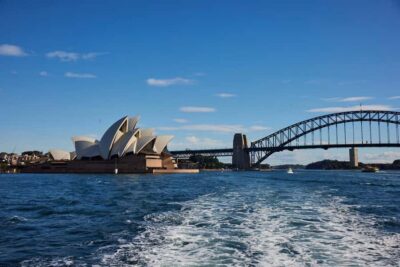
Morning or Afternoon Harbour Sightseeing Cruise
Read our review →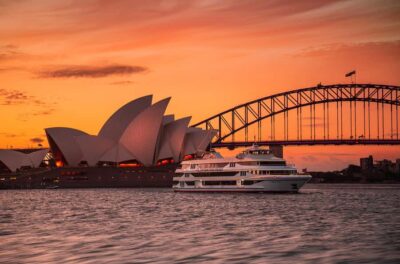
Sydney Harbour Sunset Dinner Cruise from Darling Harbour
Read our review →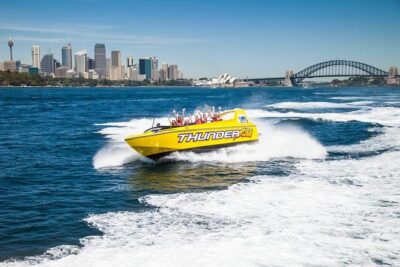
30-Minute Sydney Harbour Jet Boat Ride on Thunder Twist
Read our review →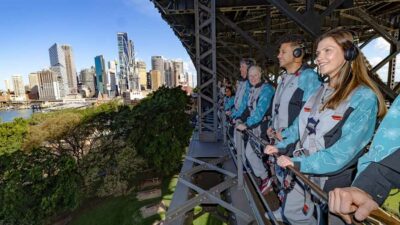
Guided Daytime Summit Climb of Sydney Harbour Bridge
Read our review →
Sydney Harbour Starlight Dinner Cruise from Darling Harbour
Read our review →
Sydney Harbour Sightseeing Cruise from Circular Quay
Read our review →
Taronga Zoo Entry & Return Ferry – Sydney Harbour
Read our review →Browse the lists this tour appears in