
Reviewed · SYDNEY WILDLIFE & ZOO TOURS
Sydney Wildlife Safari
The rarest sight here may be a platypus at dusk, but the real pleasure is the steady parade of Australian wildlife before and after it. Over about ten hours, you leave Sydney for the Southern Highlands, walk private farmland and bushland, then search a quiet river before a country-pub dinner and night spotlighting. I like the small maximum group of eight and the fact that the tour covers more than one habitat. I also like that lunch, dinner, binoculars, spotlights, and reference guides are included, so you can focus on watching rather than organizing.
The main drawback is the price: $304.83 per person is a serious outlay for a day trip. You also need to walk up to 1 kilometer at a time on steep, rough, and sometimes slippery trails and riverbanks, and wildlife sightings can never be promised.
Key points at a glance
- Platypus at dusk: The quiet river search is the most unusual part of the day, with a chance to see one of Australia’s hardest-to-find animals in the wild.
- A full Southern Highlands circuit: You visit private farmland, bushland, bird habitat, and a river rather than relying on one wildlife park.
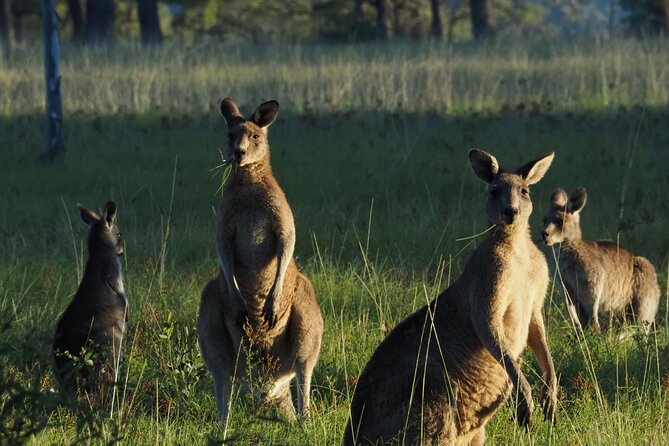
- Strong wildlife variety: Possible sightings include kangaroos, wallabies, wombats, emus, possums, parrots, kookaburras, and Tawny Frogmouths.
- Experienced local guiding: Guides including Steve and Emma are praised for their timing, field skills, and ability to explain animal signs.
- Day and night viewing: Afternoon walks lead into dusk platypus watching and evening spotlighting.
- Easy small-group setup: Air-conditioned transport, a 12:00 pm departure, included meals, and a maximum of eight people keep the long day manageable.
Why the Southern Highlands makes a better safari setting than a quick city stop
Sydney gives you easy access to famous landmarks, but it is not the place to look for a full range of wild Australian animals. This tour takes you about 90 minutes south to Bowral and the surrounding Southern Highlands, where open farmland, bushland, and waterways create a much better setting for wildlife watching.
The area is part of the Great Western Wildlife Corridor. This habitat link helps animals move between the southern Blue Mountains and Morton National Park. That detail gives the day more meaning than simply ticking off animal names. You are seeing part of a working natural system, where connected habitat can help wildlife feed, shelter, and move through the region.
You also get a lesson in how wildlife is found. Before the main walks, your guide explains local conservation work, monitoring programs, and the signs left by animals that are less easy to spot. That might mean looking for movement, tracks, habitat clues, or the right time of day rather than walking straight toward a guaranteed exhibit.
The group size matters here. With no more than eight participants, the guide can keep the group together without turning every stop into a crowd. It also gives you a better chance to ask questions and share the binoculars or spotlight without the delays common on a large coach excursion.
More wildlife parks and zoos around Sydney:
- All Inclusive Blue Mountain,Scenic World,Lunch,Koalas,ferry
★ 5.0 · 7,832 reviews - Blue Mountains Small-Group Tour from Sydney with Scenic World,Sydney Zoo & Ferry
★ 5.0 · 3,709 reviews - Blue Mountains Adventure: Scenic World, Zoo & Koala Photo
★ 4.7 · 2,062 reviews
Noon departure and the drive to Bowral
You meet your Sydney Bespoke Tours guide at the Sydney Harbour Marriott Hotel at Circular Quay at 12:00 pm. The meeting point is near public transportation, and the same location is used for the return at the end of the night.
The drive south takes about 90 minutes. Rather than treating the road trip as dead time, the guide uses it to explain which animals you might see, which sightings are less likely, and how observations are recorded. This early briefing is useful because Australian wildlife is often easier to miss than first-time visitors expect.
On arrival, you have a light lunch, such as gourmet wraps. It is not a long restaurant meal, which suits the schedule. The afternoon is built around being outside, and a quick meal leaves more daylight for walking and watching.
The air-conditioned vehicle is another practical plus. You are out for roughly ten hours, with time spent walking and standing, so having a comfortable ride between locations makes the day less tiring. Still, this is not a soft sightseeing coach trip. You should arrive ready for outdoor conditions and uneven ground.
Private farmland, bushland, and the first wildlife searches
The main afternoon is spent at several locations across private farmland and untouched bushland. This mix gives you a better chance of seeing different species because animals use open grass, tree cover, woodland edges, and water in different ways.
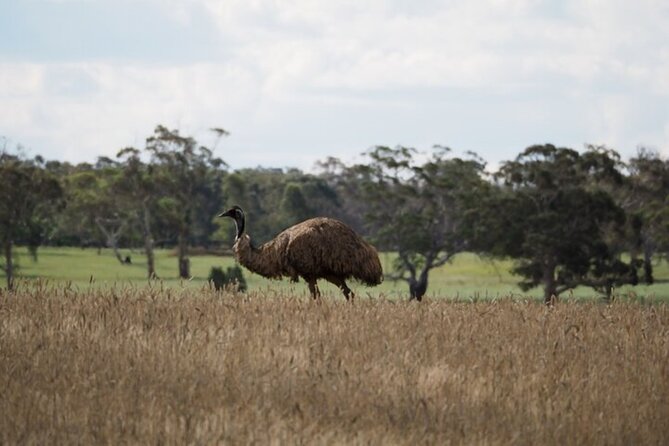
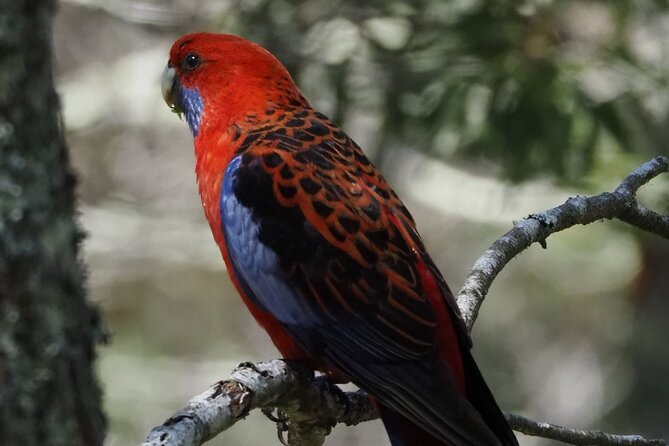
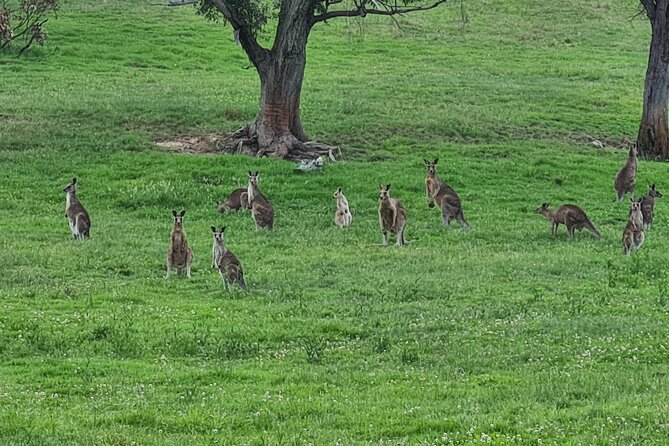
Kangaroos and wallabies are among the most likely highlights. You may also find emus, which can be surprisingly impressive when seen moving through open country. The possible bird list is just as appealing, with kookaburras, parrots, and many other species active around the trees.
The guide supplies binoculars and wildlife reference books. That is valuable for birds, which can appear briefly and at a distance. A reference guide also helps you make sense of a quick flash of color or an unfamiliar call instead of simply marking it down as a bird.
You should expect a patient style of wildlife viewing. The point is not to rush from one photo stop to the next. You may pause, scan the edges of the bush, listen for calls, and move carefully so the group does not disturb the animals. That pace can feel slow if you want constant action, but it is the more honest way to look for wild creatures.
A strong day can produce a remarkable list. The reported sightings on this tour have included more than 30 species in one day, with an especially broad range of birds. That does not guarantee your result, but it shows why the guide’s knowledge of place and timing matters.
The Great Western Wildlife Corridor in practical terms
Conservation information can sometimes feel like a lecture added to a tour. Here, it connects directly with what you are seeing.
The Great Western Wildlife Corridor links the southern Blue Mountains with Morton National Park. Wildlife needs these connected areas because isolated pockets of bushland can make it harder for animals to find food, shelter, and mates. A corridor gives them room to move and helps preserve a wider range of habitats.
Your guide also explains monitoring projects and the signs used to track elusive animals. This makes the walk more active. You are not only looking at a pretty view. You are learning how people record wildlife and how conservation groups keep track of changes in animal populations.
I especially like this part for visitors who want context rather than a simple animal checklist. It helps you understand why private farmland, woodland edges, and waterways all matter. The day remains practical and outdoorsy, but it also gives you a clearer idea of how local protection efforts work.
More wildlife encounters around Sydney:
- Blue Mountains: Three Sisters, Scenic World and Wildlife park
★ 5.0 · 1,481 reviews - Exclusive Blue Mountains Wildlife and Bushwalk Tour From Sydney
★ 4.5 · 1,087 reviews - Small Group Blue Mountains, Wildlife & Scenic World Day Tour
★ 4.5 · 932 reviews - Blue Mountains Sunset Waterfalls Wildlife Tour From Sydney
★ 4.7 · 897 reviews
The dusk search for a wild platypus
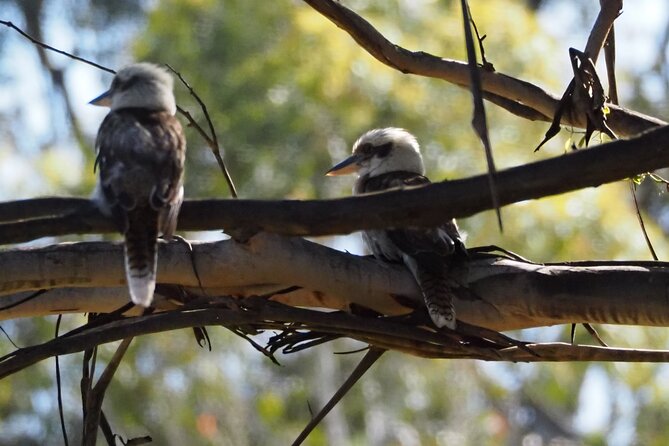
The river stop is the emotional center of the day. At dusk, you search for a platypus in a quiet river, using patience and careful observation rather than a staged display.
Platypus are famously elusive. Even in suitable habitat, the animal may stay underwater or appear for only a short time. That uncertainty is part of the appeal, but it also means you should not book this tour with the expectation of a guaranteed close-up.
Dusk is an important time for this search, and the changing light adds to the atmosphere. You may be watching still water, checking likely spots, and waiting for a small movement that is easy to miss. The guide’s role is central here. A good guide can help you know where to look, explain what you are seeing, and keep the group quiet and focused.
If you do see a platypus, it is likely to be one of the most memorable wildlife moments of your Australia trip. If you do not, the river stop still gives the day a slower, more thoughtful turn. The experience rewards people who enjoy the search as much as the result.
The riverbanks may be rough or slippery. Closed-toe shoes with a firm sole are important, and comfortable outdoor clothing is a sensible choice. Check the Southern Highlands weather forecast before leaving Sydney, since conditions can differ from the city.
Dinner at Australia’s oldest licensed inn
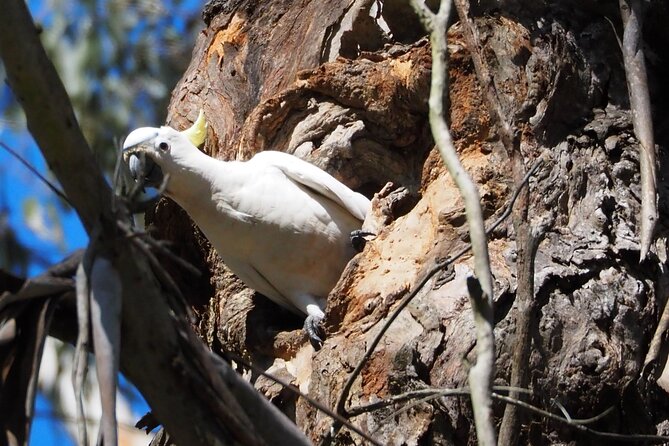
After the afternoon and dusk viewing, the tour pauses for dinner at Australia’s oldest licensed inn. The meal is a classic country-pub dinner and includes one alcoholic or non-alcoholic drink.
This is a useful break in a long day. You can sit down, warm up or cool off depending on the weather, and eat before the final night search. The pub setting also gives the experience a local flavor that a packed restaurant in central Sydney would not provide.
The included drink applies to participants aged 18 and over for alcohol, and photo identification may be requested. You can choose a non-alcoholic drink instead, which makes the meal suitable for people who do not drink.
Do not think of dinner as the main culinary reason to book. The value is in the combination of a straightforward country meal and a proper pause between daylight wildlife watching and the night section.
Spotlighting wombats, possums, and Tawny Frogmouths
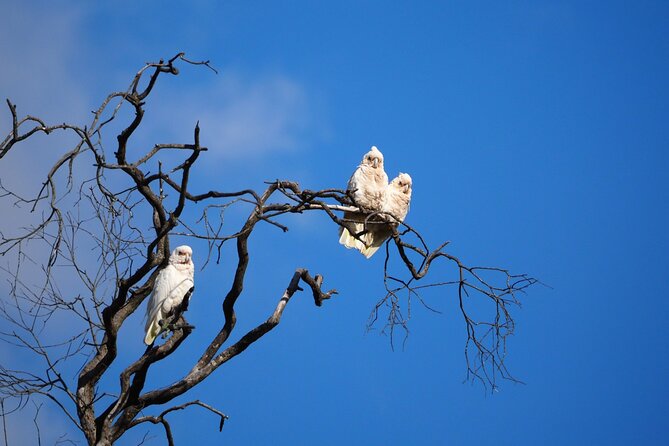
After dinner, the guide uses handheld spotlights to search for nocturnal wildlife. Wombats and possums are possible sightings, along with Tawny Frogmouths, an unusual Australian bird that can be difficult to distinguish from a branch when it sits still.
Night viewing changes the mood completely. In daylight, you scan open ground and treetops. With a spotlight, you look for reflected eyes, movement, silhouettes, and shapes in the darkness. It is a fun contrast to the afternoon, but it requires patience and a willingness to stand outside after dark.
Wombats are a particular draw. They are not always easy to find, and a sighting depends on conditions and luck. Possums may also appear, while Tawny Frogmouths reward careful looking rather than quick glances.
This part is not ideal for anyone who dislikes uneven ground or being outdoors at night. The tour includes spotlights, but you still need to dress for the weather and wear suitable shoes. The day ends with the drive back to Sydney, so expect to return late.
What the $304.83 price includes
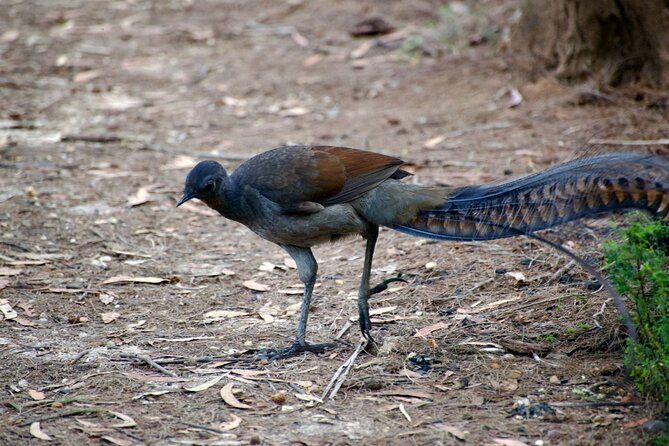
At $304.83 per person, this is not a budget wildlife outing. The price makes more sense when you consider how much time and equipment it covers.
You receive air-conditioned transport from central Sydney and back, an experienced guide, a light lunch, a country-pub dinner with a drink, binoculars, handheld spotlights, and wildlife reference guides. You are also paying for a small group, access to private farmland, and a full afternoon and evening rather than a short animal encounter.
The strongest value comes from the range of settings and viewing periods. You are not paying only for a drive to Bowral or a single walk. The tour covers daylight wildlife, a dusk river search, dinner, and nighttime spotlighting.
The price is harder to justify if you want a guaranteed animal encounter, dislike walking, or prefer a short, low-cost excursion. Wildlife is unpredictable, and the most exciting sighting may last only seconds. I would consider it good value for someone who actively wants a specialist wildlife day, but not for someone simply trying to fill a spare afternoon in Sydney.
Who should book this safari
I would choose this tour if you want Australian wildlife in natural settings and are happy to spend a full day looking, waiting, and walking. It suits photographers, birdwatchers, couples, and families with older children who can manage rough trails and a late return.
It is also a good choice if you have already seen Sydney’s main sights and want something less urban. The combination of guides such as Steve and Emma, conservation background, small-group transport, and several habitats gives the day a more personal feel than a standard large-group excursion.
You should think twice if you have limited mobility. Participants need to walk up to 1 kilometer at a time, including over steep, rough, and sometimes slippery trails and riverbanks. The experience is not recommended for people with limited mobility.
The tour requires good weather and a minimum number of participants. If poor weather or low enrollment causes cancellation, you will be offered another date or experience, or a full refund. Otherwise, the booking is non-refundable and cannot be changed, so check your plans carefully before paying.
Should you book the Sydney Wildlife Safari?
Book it if the idea of finding wild platypus, wombats, emus, and birds appeals more than ticking off a standard attraction. The day offers unusually varied wildlife viewing, strong guide involvement, and a thoughtful connection to local habitat protection.
Skip it if the $304.83 cost feels too high for an uncertain result, or if you need easy paths and an early finish. For the right person, though, the best moment may be a brief platypus sighting at dusk, followed by a wombat or Tawny Frogmouth found under the spotlight. That combination is hard to reproduce on a typical Sydney day trip.
FAQ
Where does the Sydney Wildlife Safari start and finish?
The tour starts and ends at the Sydney Harbour Marriott Hotel at Circular Quay, 30 Pitt Street, Sydney NSW 2000, Australia.
What time does the tour start?
The tour begins at 12:00 pm and lasts about 10 hours.
How far is the Southern Highlands from Sydney?
The drive to Bowral takes about 90 minutes.
What animals might I see?
Possible sightings include kangaroos, wallabies, wombats, emus, possums, platypus, kookaburras, parrots, and Tawny Frogmouths. Wildlife sightings are not guaranteed.
What should I wear?
Wear closed-toe shoes and comfortable clothing suitable for walking. You should check the Southern Highlands weather forecast before the tour because some paths and riverbanks can be slippery.
Is the tour suitable for people with limited mobility?
No. Participants should have moderate physical fitness and be able to walk 1 kilometer at a time over steep, rough, and sometimes slippery trails and riverbanks. The experience is not recommended for people with limited mobility.
More Safari in Sydney
Newest Sydney write-ups
- Sydney: “Vivid Sydney” Festival of Light Sightseeing Cruise★ 4.3 · 24 reviews
- Private Transfer from Sydney Airport to Sydney (CBD)Hotel or Port★ 4.5 · 24 reviews
- Sunset Harbour Bridge Kayak Escape★ 5.0 · 8 reviews
- Whale Watching Sailing Experience in Sydney★ 5.0 · 28 reviews
- Wine Tours Sydney – Southern Highlands Day Escape, Full Day Wine Tasting Tour★ 5.0 · 9 reviews
- Private Wildlife Waterfalls and Wine Day Tour from Sydney★ 5.0 · 6 reviews
- Whale Watching Sydney★ 3.5 · 17 reviews
- Sydney Harbour Tall Ship Whale & Sail – Whale Watching Cruise★ 5.0 · 5 reviews
Sydney Wildlife & Zoo Tours, compared.
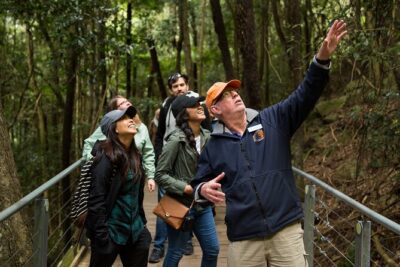
All Inclusive Blue Mountain,Scenic World,Lunch,Koalas,ferry
Read our review →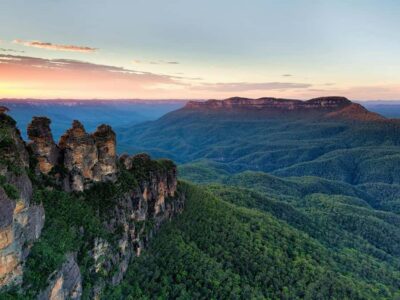
Blue Mountains Small-Group Tour from Sydney with Scenic World,Sydney Zoo & Ferry
Read our review →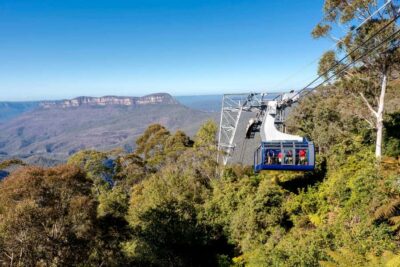
Blue Mountains Adventure: Scenic World, Zoo & Koala Photo
Read our review →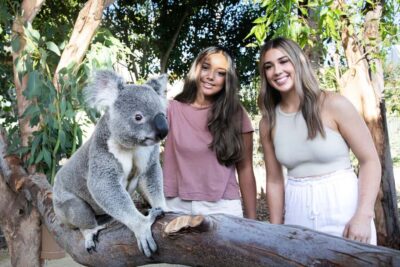
Blue Mountains, Scenic World, Zoo, & Ferry Ride
Read our review →
Three Sisters, Scenic World and Wildlife park
Read our review →
Exclusive Blue Mountains Wildlife and Bushwalk Tour From Sydney
Read our review →
Browse the lists this tour appears in