
Reviewed · SYDNEY WILDLIFE & ZOO TOURS
WILD LIFE Sydney Zoo
The best reason to visit WILD LIFE Sydney Zoo is simple: you can meet a strong collection of Australian animals without leaving central Sydney. In one compact route, you move from rainforest and gorge settings to kangaroo areas, crocodile water, rock-wallaby cliffs, and native grassland.
I like the close views of koalas and kangaroos, especially if this is your first chance to see Australian wildlife. I also like the practical setting at Darling Harbour, where you can spend a few hours indoors during hot weather. The tradeoff is size: this is a small city zoo, not a full-day safari park, and the price may feel high if you hurry through it.
Key points to know before you go
- Nine Australian habitat zones: Walk through recreations of places such as the Daintree Rainforest, Kakadu Gorge, floodplains, estuary flats, and Wallaby Cliffs.
- Strong native-animal focus: Expect koalas, wombats, echidnas, pademelons, kangaroos, rock-wallabies, snakes, turtles, butterflies, and crocodiles rather than lions, tigers, or bears.
- Close kangaroo encounters: The walk-through kangaroo area gives you a better view than a distant enclosure, though animal activity can vary.
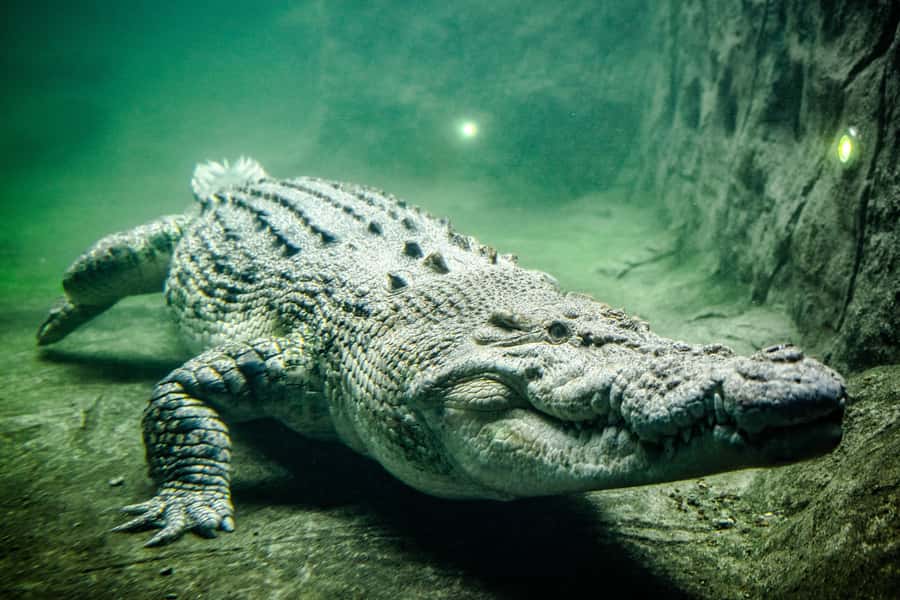
- Rex the crocodile: The crocodile habitat adds scale and drama to a visit otherwise centered on smaller Australian mammals.
- Keeper talks in English: Talks and interactive displays add useful context, but this is not a guided tour with one guide leading you from start to finish.
- Compact and accessible: The zoo is wheelchair accessible and works well for a short Sydney stop, with published hours of 10:00 AM to 4:00 PM and last entry at 3:00 PM.
A compact tour of Australia in Darling Harbour
WILD LIFE Sydney Zoo sits at Aquarium Wharf in Darling Harbour, right in the middle of Sydney’s sightseeing district. That location is its first practical advantage. You do not need to set aside a long trip outside the city to see native animals, and you can pair the visit with other Darling Harbour plans.
The zoo presents Australia by habitat rather than by a simple list of species. You pass through nine themed areas designed to suggest different parts of the country. That gives the visit some structure, even though the whole attraction is compact.
I would allow around two to three hours for a comfortable visit, based on the amount of time many people find useful here. You can move faster if you are short on time, or slow down near the animals that interest you most. The ticket is valid for one day, so you are not tied to a short guided schedule.
The route includes interactive displays and keeper talks. These talks are worth catching because they can explain animal behavior and care in a way that a sign cannot. Still, the experience remains self-guided. An English-speaking host or greeter is associated with the activity, but there is no full guided tour included.
More wildlife parks and zoos around Sydney:
- All Inclusive Blue Mountain,Scenic World,Lunch,Koalas,ferry
★ 5.0 · 7,832 reviews - Blue Mountains Small-Group Tour from Sydney with Scenic World,Sydney Zoo & Ferry
★ 5.0 · 3,709 reviews - Blue Mountains Adventure: Scenic World, Zoo & Koala Photo
★ 4.7 · 2,062 reviews
From rainforest to gorge, the habitat route
The journey begins with Australian habitat zones that help you picture the country’s different environments. A recreation of the Daintree Rainforest brings foliage, butterflies, snakes, turtles, and water habitats into the route. It is not a substitute for visiting the real Daintree, but it gives you a quick sense of how varied Australia’s native life can be.
Kakadu Gorge and the Northern Territory’s Top End receive similar treatment. You might look toward rocky gorge settings, grassland, floodplains, and estuary flats as you move through the zoo. These scenes matter because they link each animal to a type of place rather than presenting wildlife as unrelated exhibits.
The displays are particularly useful for first-time visitors who know the koala and kangaroo but have less sense of Australia’s other native animals. You may leave remembering the habitat as much as the animal. That makes the visit more engaging than a row of standard cages.
The setting is carefully made, but keep your expectations in check. This is a central-city wildlife attraction with limited space. The habitats are designed for close viewing, not long walks through wide open grounds.
Kangaroos and the Wallaby Cliffs
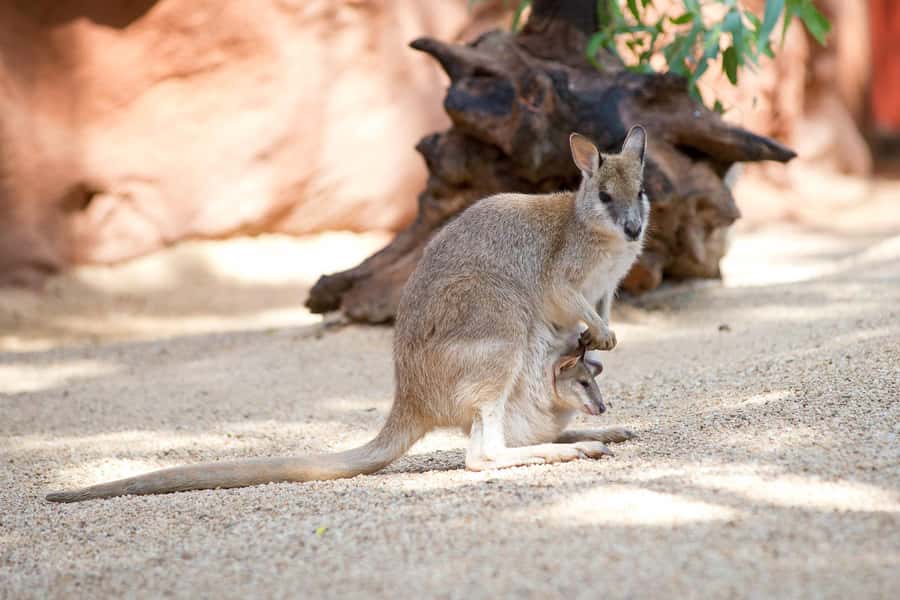
The kangaroo area is one of the main reasons to choose this zoo over a general urban animal park. A walk-through habitat lets you see kangaroos at closer range, and you may find them resting, moving about, or interacting with their keepers.
The close setting is helpful for photographs and for children who need to see an animal clearly before it becomes real to them. It also lets you notice details such as posture, size, and the way the animals use the space. Do not expect a guaranteed show. Animal activity changes, and a quiet kangaroo can be just as natural as an active one.
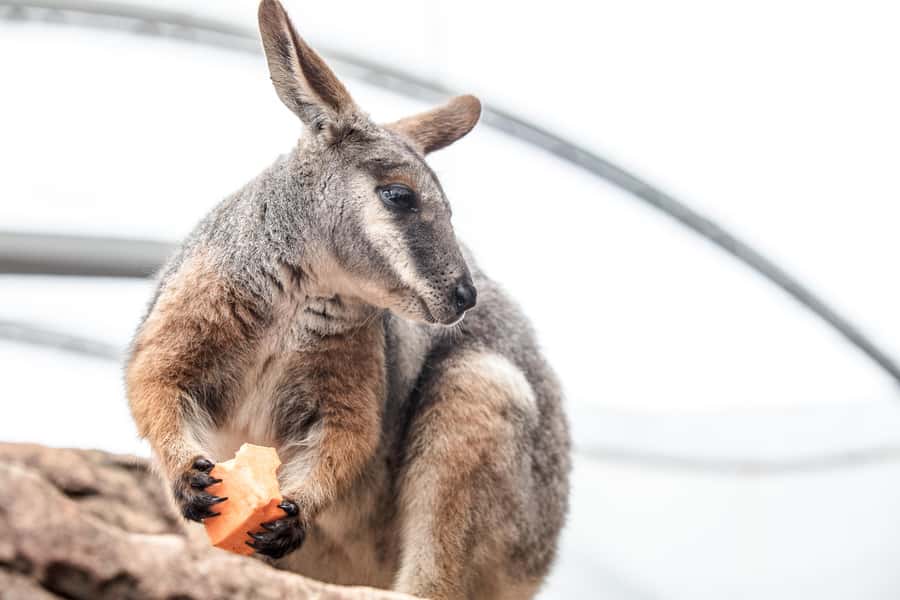
Wallaby Cliffs focuses on yellow-footed rock-wallabies. These animals are small, agile, and adapted to rough rocky ground. Their quick movements can make this one of the most rewarding stops, especially if you pause instead of walking straight past.
I would give the rock-wallaby area extra time. One visitor found the animals so entertaining that the exhibit could have held attention for a long while. Their climbing and jumping offer a different kind of encounter from the larger, calmer kangaroos.
Wombats, echidnas, and the smaller stars
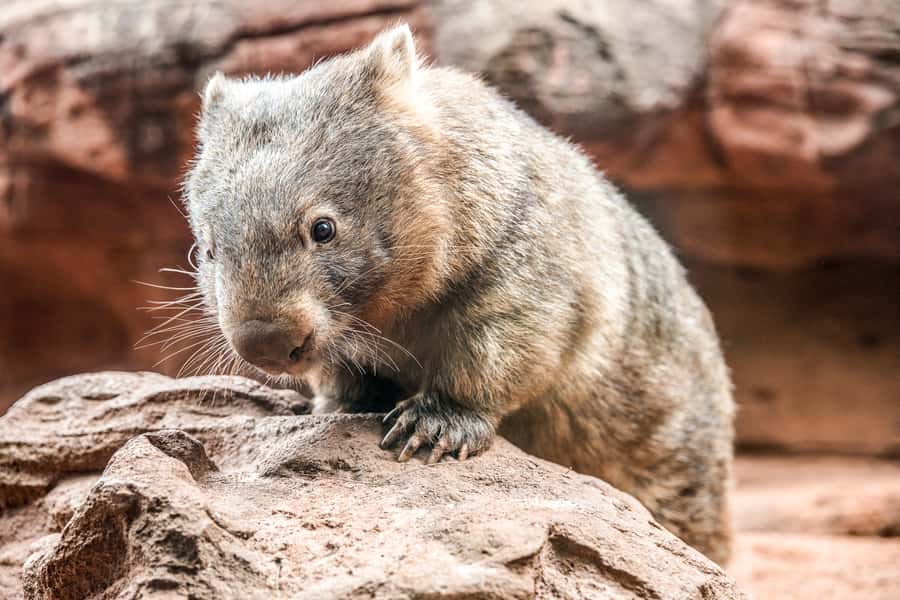
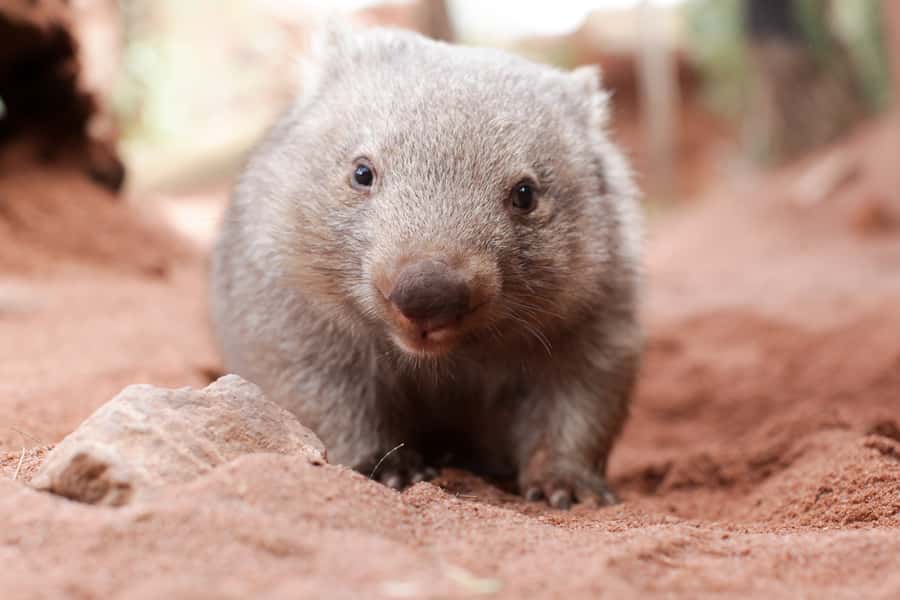
The wombat area is another strong point. Hairy-nosed wombats are shown with grass and burrow settings, reflecting the way they feed and shelter. Wombats can be less instantly familiar than koalas, but their solid bodies and quiet habits make them memorable.
Echidnas are also part of the native collection. These unusual animals are easy to overlook if you hurry, so check the displays carefully and listen during keeper talks. You may also see a pademelon, a smaller relative of the wallaby that can be a special find for anyone building a list of Australian species.
This is where the zoo’s focus pays off. You are not simply seeing the animals that appear on every postcard. You also get a chance to meet species that are harder for international visitors to identify in the wild.
The animal collection includes more than 100 Australian species. That sounds large for the size of the building, but the visit still feels focused rather than endless. You get variety without needing to commit an entire day.
More zoos and animal parks in Sydney:
- From Sydney: Blue Mountains, Scenic World, Zoo, & Ferry Ride
★ 4.8 · 1,484 reviews - Sydney: Taronga Zoo Ticket with Return Ferry
★ 4.5 · 1,142 reviews - Sydney Taronga Zoo General Entry Ticket
★ 4.0 · 941 reviews - Taronga Zoo Entry & Return Ferry – Sydney Harbour
★ 4.5 · 722 reviews
Koalas, close views, and an optional photo
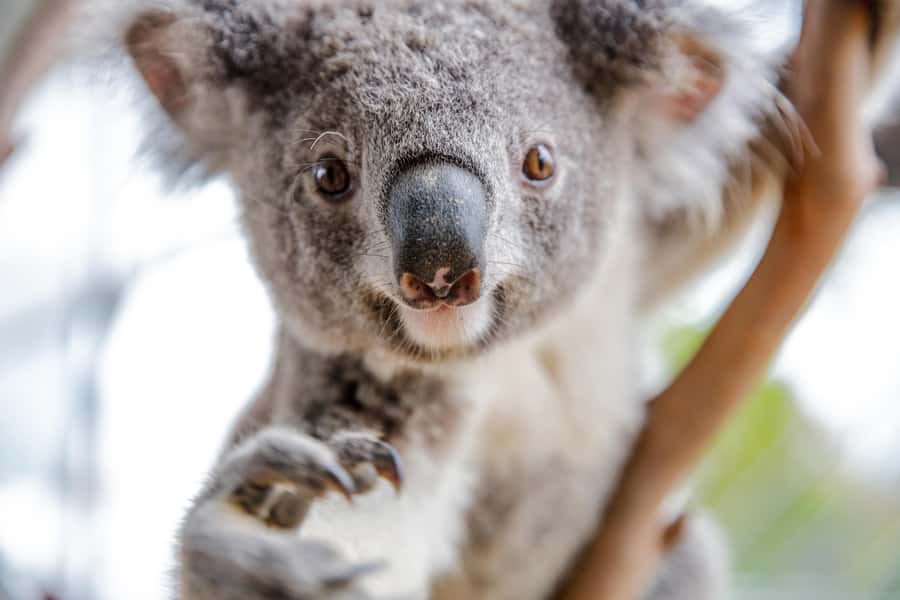
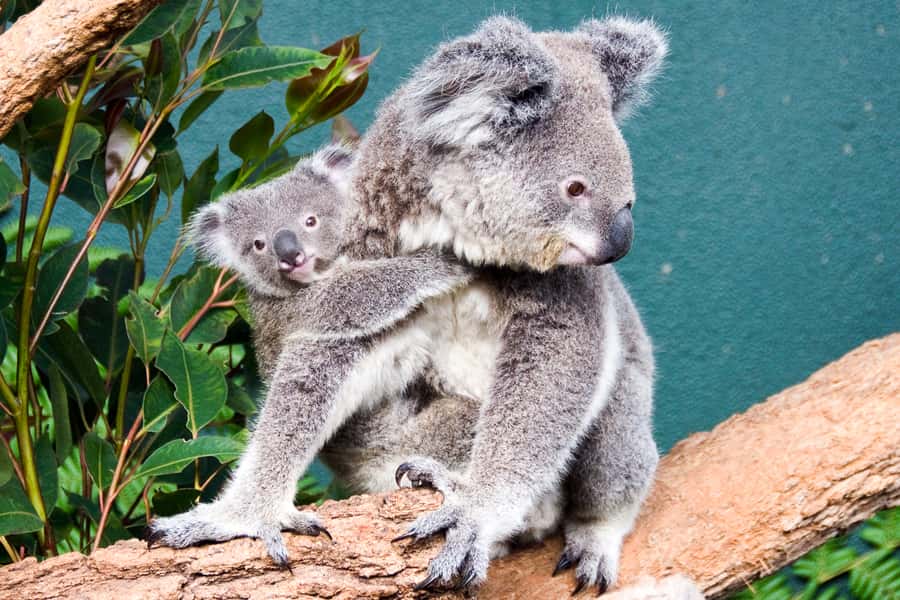
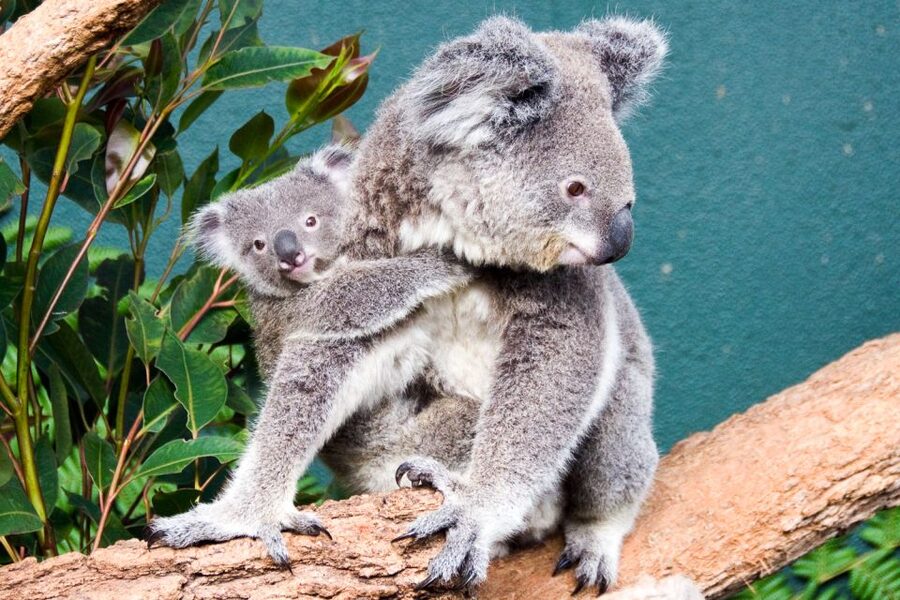
Koalas are among the zoo’s biggest draws, and you can get unusually close to them. They are often resting, so do not expect constant movement. A sleepy koala is still a good encounter, particularly when you can observe its face, paws, and thick fur at close range.
A paid koala photo is not included in the entry price. You can add it if that picture matters to you, but the standard visit still provides close views. The photo experience does not mean you can touch the koala. That is an important distinction when you are comparing ticket options.
A visitor who paid for the photo described being very close while the koala slept, with one eye partly open. That captures the likely mood better than expecting an active animal portrait. You are paying for a keepsake and proximity, not a performance.
The koala area may be especially worthwhile if you have limited time in Australia. It gives you a dependable chance to see one of the country’s best-known animals in a central location. If you already plan to visit a larger wildlife park, compare the two experiences before paying extra for the photo.
Crocodiles, snakes, butterflies, and turtles
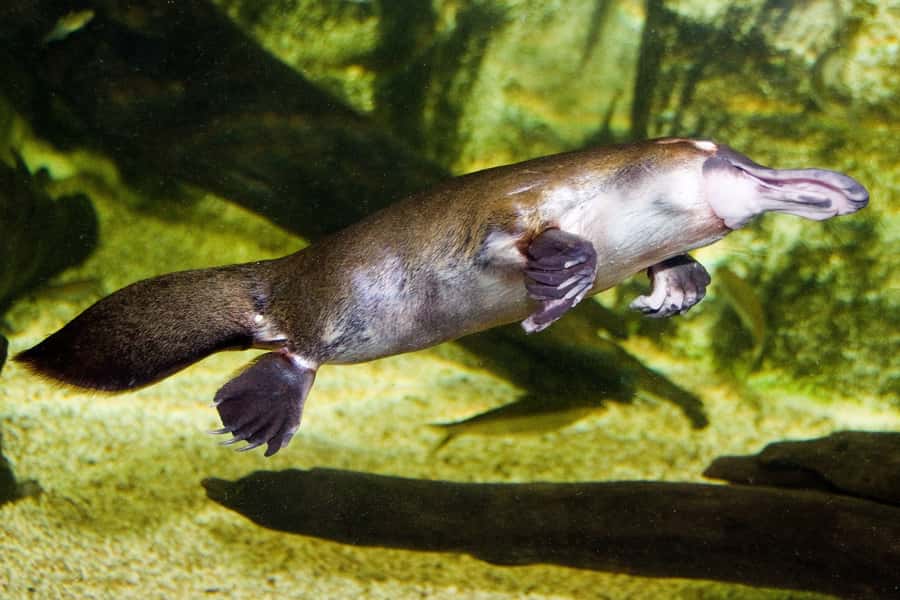
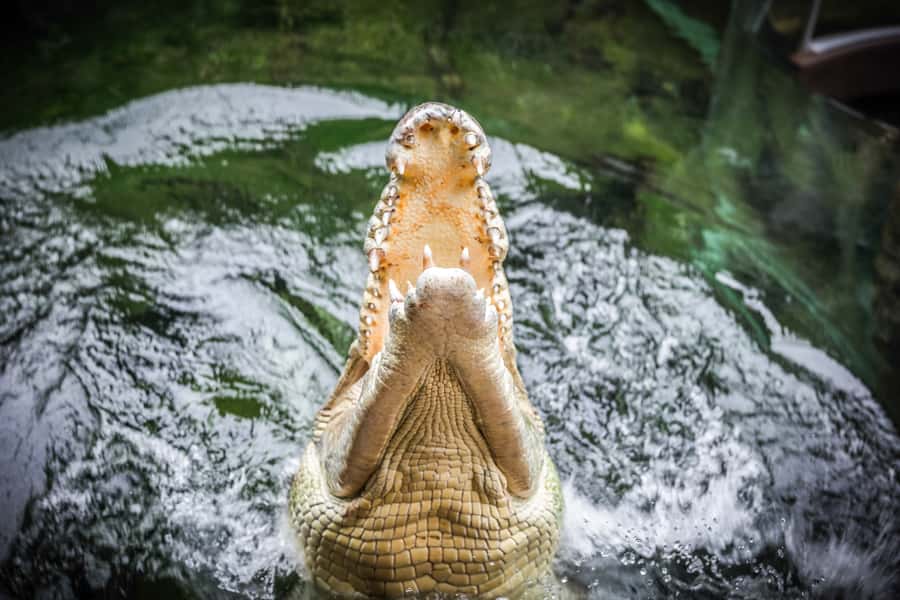
Rex the crocodile adds a dose of scale and tension. The crocodile habitat lets you see a very different side of Australian wildlife from the soft-looking mammals elsewhere in the zoo. Turtles glide through the water, while crocodiles may appear still enough to make you wonder if they have moved at all.
The rainforest displays include colorful butterflies and snakes. For some people, the snakes will be a highlight. For others, they will be the least comfortable part of the route. The collection gives you a fuller picture of Australia’s animal life, but it is not designed only around cuddly creatures.
I like this balance. A visit that showed only koalas and kangaroos would be easy to enjoy but less useful. The snakes, reptiles, butterflies, and crocodile help explain why Australian wildlife has such a distinctive reputation.
If you dislike snakes, you can still visit, but do not book this expecting an all-marsupial attraction. The route includes them as a clear part of its Australian theme.
Keeper talks and how to use your time
Keeper talks are a useful reason not to rush. The staff can explain the animals and answer questions, giving you more than a quick look through glass or foliage. Talks are in English, and no separate guided tour is included, so check the daily timing when you arrive.
I would first walk through the zoo at an easy pace, then return to any area where you want more time. This works well because the attraction is compact. You can watch for keeper talks, revisit the kangaroos, and spend longer with the wombats or rock-wallabies without losing half a day to walking between exhibits.
The route also has interactive displays. These are helpful for children and for anyone who wants more background than a short label provides. They turn the visit into more than a photo stop, although the amount of interaction will depend on which displays are operating during your visit.
For photography, the close habitats are a plus. The main drawback is that the small footprint can feel crowded, especially when several people stop at the same viewing point. If you want a quieter experience, arrive near opening time or avoid the busiest middle of the day when possible. The published operating hours are 10:00 AM to 4:00 PM, with last entry at 3:00 PM, but check the current schedule before you go.
Is the $27 price good value?
At $27 per person, the ticket is fairly easy to justify if you want a convenient introduction to Australian wildlife. The price includes entry, the nine habitat zones, and access to more than 100 species. It does not include the optional koala photo or a guided tour.
The value depends on how you use the visit. If you walk through in under an hour, the cost may feel steep for a small zoo. If you stay two or three hours, attend a keeper talk, and take time with the kangaroos, rock-wallabies, reptiles, and wombats, the price makes more sense.
Families with young children may find the compact layout useful. You can see a lot without a long walk, and the indoor setting gives you a break from Sydney heat. Adults who want a full-scale zoo day may find it too limited.
The strongest value is convenience. You can see native Australian animals in the heart of the city, with no special transport plan. If your schedule is tight, that can matter more than the size of the grounds.
Who should book WILD LIFE Sydney Zoo?
I would recommend it for a first Sydney visit, a family with young children, or anyone with only a few hours to spare. It is also a good choice if you specifically want koalas, kangaroos, wombats, echidnas, and other native species rather than the familiar animals found in zoos around the world.
It suits visitors who like self-paced sightseeing. You can stop where you want, attend talks when the timing works, and move on when an exhibit is quiet. The wheelchair-accessible design makes it a practical option for many visitors, though the exact meeting point can vary by ticket option.
I would choose another attraction if you want a large open-air zoo with long trails, broad animal ranges, or predators such as lions and tigers. This is a focused Australian wildlife visit, not a complete survey of the world’s animals.
My verdict: book it for native wildlife and convenience
Book WILD LIFE Sydney Zoo if you want close views of Australian animals without leaving central Sydney. The koalas, kangaroos, wombats, and rock-wallabies are the main rewards, while the rainforest, crocodile, snake, butterfly, and turtle habitats give the visit useful variety.
Go in expecting a compact attraction and plan on two to three hours rather than a full day. At $27, it offers solid value when you take your time and use the keeper talks. Add the koala photo only if you want the souvenir, since close standard viewing is already part of entry.
FAQ
Where is WILD LIFE Sydney Zoo located?
It is located at Aquarium Wharf in Darling Harbour, Sydney, New South Wales, Australia.
How long is the experience?
The ticket is valid for one day. Most people can make good use of the visit in about two to three hours, though the provided activity information does not set a fixed visit length.
What animals can I see?
You can see more than 100 Australian species, including koalas, kangaroos, wombats, echidnas, pademelons, yellow-footed rock-wallabies, crocodiles, turtles, snakes, and butterflies.
Is the koala photo included?
No. A photo with the koalas is not included in the entry price and is available as an additional option.
Is there a guided tour?
No guided tour is included. You can explore independently and attend entertaining keeper talks. The listed host or greeter language is English.
What are the opening hours?
The supplied opening information lists hours of 10:00 AM to 4:00 PM, with last entry at 3:00 PM. Check the current hours before visiting because schedules can change.
Is the zoo wheelchair accessible?
Yes. WILD LIFE Sydney Zoo is listed as wheelchair accessible.
How much does entry cost?
The stated price is $27 per person. Optional extras, including the koala photo, are not included.
Can I cancel my booking?
Yes. You can cancel up to 24 hours in advance for a full refund. A reserve-now, pay-later option is also available.
Newest Sydney write-ups
- Sydney: “Vivid Sydney” Festival of Light Sightseeing Cruise★ 4.3 · 24 reviews
- Private Transfer from Sydney Airport to Sydney (CBD)Hotel or Port★ 4.5 · 24 reviews
- Sunset Harbour Bridge Kayak Escape★ 5.0 · 8 reviews
- Whale Watching Sailing Experience in Sydney★ 5.0 · 28 reviews
- Wine Tours Sydney – Southern Highlands Day Escape, Full Day Wine Tasting Tour★ 5.0 · 9 reviews
- Private Wildlife Waterfalls and Wine Day Tour from Sydney★ 5.0 · 6 reviews
- Whale Watching Sydney★ 3.5 · 17 reviews
- Sydney Harbour Tall Ship Whale & Sail – Whale Watching Cruise★ 5.0 · 5 reviews
Sydney Wildlife & Zoo Tours, compared.
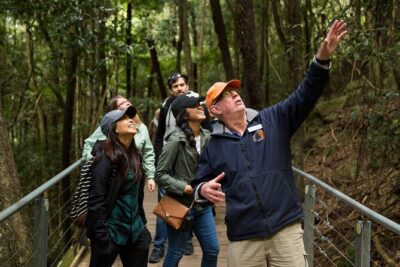
All Inclusive Blue Mountain,Scenic World,Lunch,Koalas,ferry
Read our review →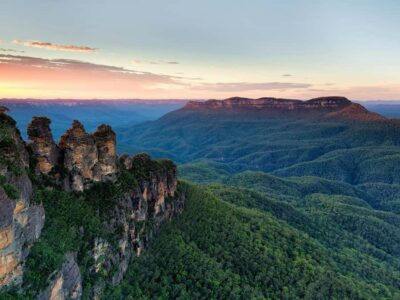
Blue Mountains Small-Group Tour from Sydney with Scenic World,Sydney Zoo & Ferry
Read our review →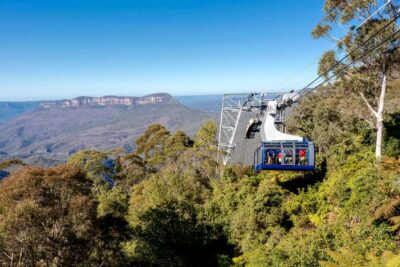
Blue Mountains Adventure: Scenic World, Zoo & Koala Photo
Read our review →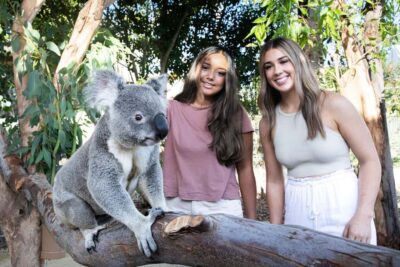
Blue Mountains, Scenic World, Zoo, & Ferry Ride
Read our review →
Three Sisters, Scenic World and Wildlife park
Read our review →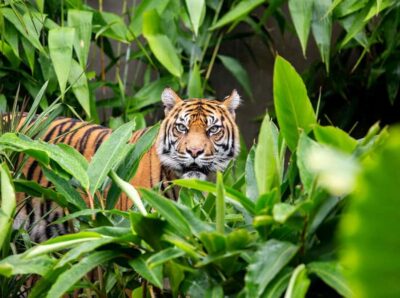
Exclusive Blue Mountains Wildlife and Bushwalk Tour From Sydney
Read our review →
Browse the lists this tour appears in