
Reviewed · BLUE MOUNTAINS TOURS
Small-Group Full-Day Rock Climbing Adventure from Katoomba
The best part of this day is that you get off the climbing wall and onto real Blue Mountains cliffs, without first signing up for a long course. You’ll spend much of the day climbing, with short lessons built into the action rather than sitting through a long safety lecture.
I like the mix of hands-on instruction and varied climbing. You’ll work on faces and cracks, try different handholds and footholds, and learn proper belay technique. I also like that lunch is included, along with park fees and all technical equipment.
The main consideration is the physical demand. You need moderate fitness, and an eight-hour day outside can feel long if you are unsure about heights or have never exercised on rock. The minimum age is 14, and children must be accompanied by an adult.
Key points to know before you book
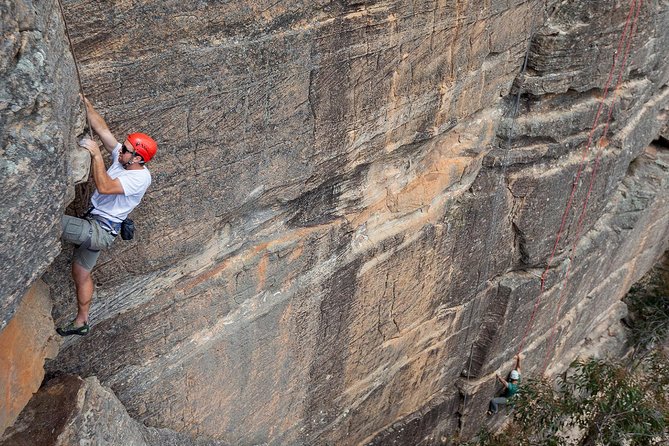
- Real rock, not just a climbing gym: You’ll practice on Blue Mountains cliffs and try climbing styles such as faces and cracks.
- Beginner-friendly instruction: No previous experience is required, and the day covers gear, belaying, movement, safety, and abseiling.
- A full day with plenty of climbing: The course is designed to keep you active, with training mixed into the climbing rather than replacing it.
- A small group capped at 15 people: That is still a moderately sized group, so personal attention may vary with the day’s numbers.
- Lunch and technical gear are included: You only need to arrange your own drinks and transport to Katoomba.
- Guides with strong field experience: Scott, Pedro, Liam, Sammy, and Justine have all been singled out for calm instruction, good organization, and careful safety work.
Why this Katoomba climbing day works for beginners
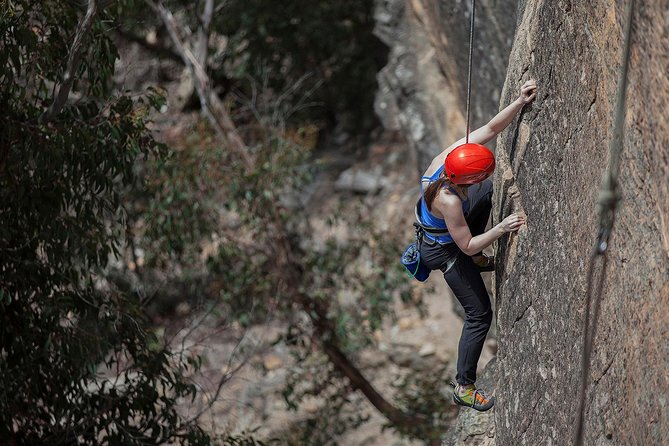
This is an introductory day for people who want a proper taste of rock climbing before committing to a longer course. You do not need prior climbing experience. The instructors begin with the basics, including how to use the equipment, how to belay, how to move between handholds and footholds, and how to descend safely.
That approach makes sense for a first outdoor climbing day. Indoor walls give you brightly colored holds, controlled conditions, and a predictable route. Natural rock asks you to read the surface in front of you. A foothold may be small, a crack may require a different technique, and the easiest-looking route is not always the easiest to climb.
You’ll learn while doing. The day is built around climbing activity, with essential instruction fitted between climbs. For a first-timer, that keeps the experience lively. You get the safety information you need, then have a chance to use it right away.
If you already climb indoors, this day gives you a useful change of setting. The focus is not only on getting to the top. You’ll also work with outdoor equipment, practice belaying, and meet the practical demands of natural rock. That can make the transition from a gym to an outdoor route feel less abrupt.
More canyoning and abseiling in the mountains:
- Full-Day Canyoning Experience at Stunning Empress Canyon
★ 5.0 · 87 reviews - Blue Mountains: Abseiling and Canyoning Experience
★ 4.8 · 69 reviews - Half-Day Abseiling Adventure in Blue Mountains National Park
★ 5.0 · 59 reviews
An 8:45 am start at the Australian School of Mountaineering
The day begins at the Australian School of Mountaineering, 166 Katoomba Street, Katoomba, at 8:45 am. The activity returns to the same meeting point at the end of the day.
This central meeting arrangement is useful if you are staying in Katoomba or arriving by public transport. There is no hotel pickup or drop-off, so you need to get yourself to the school on time. That is a small but important detail, especially if you are planning this as part of a wider Blue Mountains visit.
After meeting the instructors, you’ll be fitted out with the technical equipment supplied for the day. The course covers the purpose and use of climbing gear, along with the safety checks that make a rope system work properly. The exact order of activities can vary, but you should expect instruction to lead quickly into practical climbing.
The group limit is 15 people. That is small enough to keep the outing organized, but it is not a private lesson. If the group is full, you may share climbing time and instruction with several other people. The quality of the day will depend partly on the guide-to-climber ratio and on how quickly the group works through each activity.
Learning to move on faces and cracks
One of the useful features of this course is the range of climbing styles. You may try easier and harder routes on rock faces, along with cracks that require a different approach. This variety helps you discover what feels natural and what needs more practice.
On a face, you’ll work on balance, body position, and careful foot placement. Good climbing is not simply about pulling hard with your arms. The lesson is to use your legs, keep your weight over your feet, and look for secure handholds before making the next move.
Cracks bring another set of skills. You may need to place your hands or feet differently and pay closer attention to the shape of the rock. For a beginner, this is a useful introduction to the fact that outdoor climbing is not one single movement pattern.
The course promises a range from easy to challenging. That does not mean everyone climbs the same difficulty. Instead, the guides can give you opportunities to try different routes and test your limits at a sensible pace. If you are new to climbing, you can focus on movement and confidence. If you already have some experience, you may want to take on a more demanding line.
You should expect some fear at points, particularly if heights are new to you. That is not a sign that you are doing badly. It is one reason the belay system and clear instructions matter so much. Several outings led by guides such as Scott and Pedro have been praised for making people feel secure while still giving them a real challenge.
Belaying and safety are part of the climbing
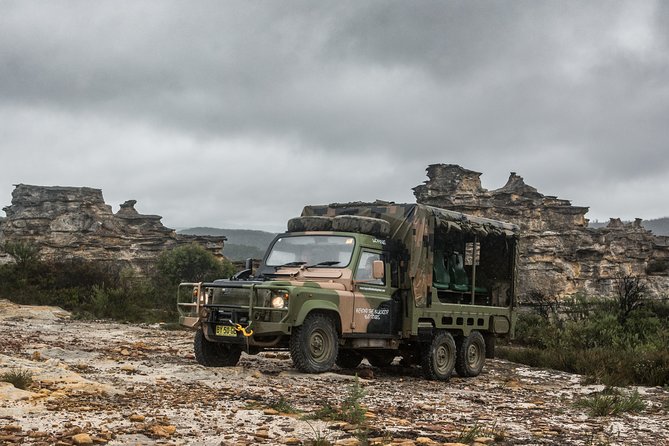
Belaying is a major part of the day, not a minor technical extra. You’ll learn how the rope system works and how to support the climber safely from below. Proper belay technique requires attention, communication, and careful checks.
The course also covers safety on the rock, the use of climbing equipment, and descent procedures. Those skills help you understand what is happening around you instead of simply relying on a guide to manage every step.
That is particularly valuable for someone considering the second day of the Rock 1 Course. This first day can act as a trial run before you commit to a fuller beginner course. Afterward, you may return for day two and build toward a complete beginners’ rock-climbing level.
You should not treat the introductory label as meaning effortless. Climbing outdoors involves exposure, uneven surfaces, and physical work. The guides provide the equipment and instruction, but you still need to listen closely, follow directions, and tell them if you are uncomfortable or need a pause.
The strongest guide feedback centers on safety, patience, and clear explanations. Scott has been praised for selecting good climbs and keeping the day friendly. Pedro has been described as experienced and willing to explain details even to someone who already climbs. Sammy has guided a multi-pitch outing in a careful, professional way, while Liam has earned particularly warm praise for his approach. Guide assignments can change, but these names give you a useful sense of the standard the school aims for.
More Blue Mountains days out:
- All Inclusive Blue Mountain,Scenic World,Lunch,Koalas,ferry
★ 5.0 · 7,832 reviews - From Sydney: Blue Mountains Full-Day Trip
★ 4.5 · 4,471 reviews - Blue Mountains Small-Group Tour from Sydney with Scenic World,Sydney Zoo & Ferry
★ 5.0 · 3,709 reviews - Blue Mountain: Small-Group Tour with Lunch & Scenic World
★ 4.8 · 3,009 reviews
Abseiling adds a second kind of vertical adventure
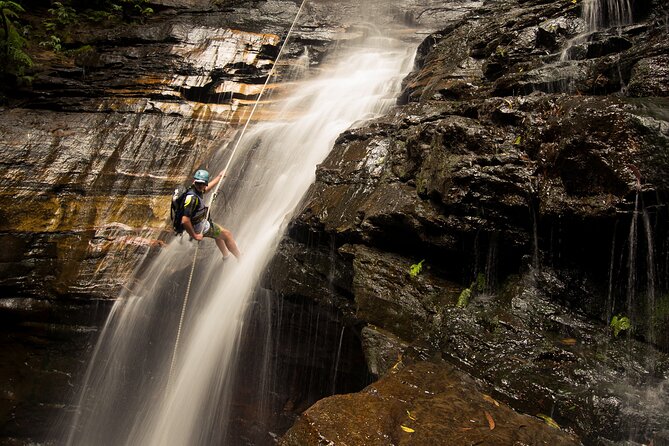
Abseiling is included as part of the instruction for people who have never tried it. This gives the day more variety than a simple climb-up-and-climb-down session.
You’ll learn how to descend using the rope system and the supplied equipment. For many first-timers, the hardest part is trusting the system and leaning back far enough to begin. The guide’s job is to explain the sequence and help you manage the movement safely.
Abseiling can also make the day more useful for someone with mixed interests. You may enjoy climbing upward more than descending, or you may find the controlled rappel the most memorable part of the outing. It also gives you another way to understand the rope, harness, and descent process.
The supplied information does not promise a waterfall abseil on this particular day. Some comments about waterfall abseiling relate to other activities offered by the school, so you should not book this course expecting that exact setting. The confirmed plan here is rock climbing with an abseiling class.
Picnic lunch in the Blue Mountains
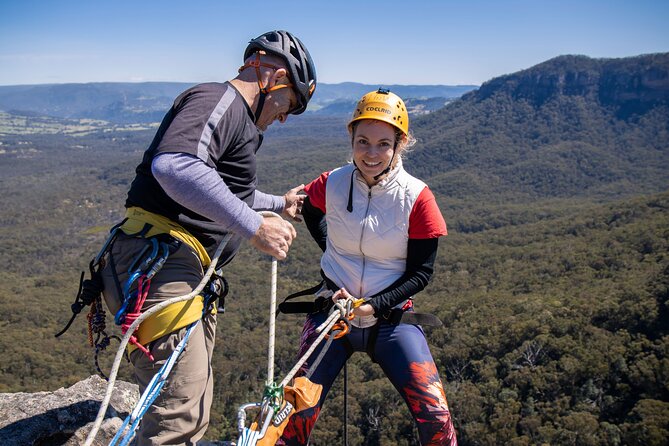
Lunch is included, and you’ll take a break among the Blue Mountains surroundings. This matters on an eight-hour outdoor activity. Climbing uses more energy than you may expect, especially when you are concentrating on balance and rope work.
The picnic also gives your hands and forearms a rest. A short pause can make the afternoon feel much better, particularly if this is your first day on rock. National park fees are included too, so the advertised price covers more of the outing than the instruction alone.
Drinks are not included. Bring your own, since the day involves physical effort and time outdoors. The supplied details do not list a specific menu or dietary arrangements, so anyone with special food needs should confirm those details before booking.
The setting is part of the appeal. You are not spending the day in a sealed indoor gym. You’ll have the rock, open air, and Blue Mountains scenery around you, with lunch providing a simple break from the technical concentration of climbing.
What the $179.31 price really covers
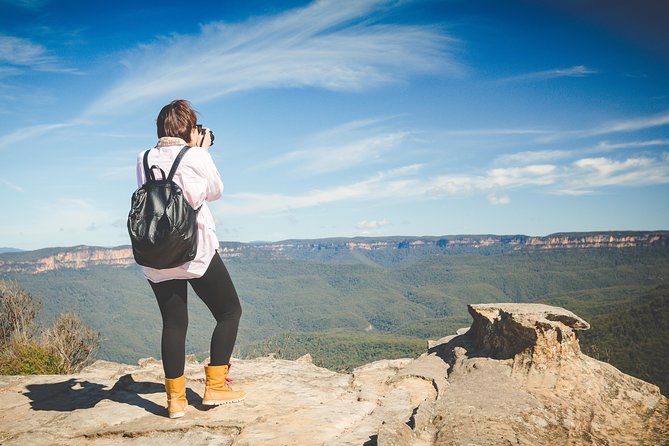
At $179.31 per person, the price is reasonable if you want a full day of guided outdoor climbing rather than a short introductory session. It includes national park fees, a professional guide, all technical equipment, lunch, and GST.
The equipment alone is a useful saving for a beginner. You do not need to purchase or transport the technical gear required for the day. The guide also handles the structure of the climbing session and provides instruction in safety, belaying, footholds, handholds, and abseiling.
The value is strongest if you plan to use the day as a test before taking a longer course. You can find out if outdoor climbing suits you without first paying for a full multi-day program. It also works well for an experienced indoor climber who wants a guided introduction to natural rock.
The price does not include drinks, hotel transfers, or other personal costs. You also need to allow for the time and expense of getting to Katoomba Street. For a family group, the total cost can add up, though the minimum age of 14 makes this more suitable for teenagers and adults than for young children.
Who will get the most from this experience
I would recommend this day to first-time climbers who want real instruction and a proper day outside. It is also a good fit for people who have climbed indoors and want to learn outdoor systems without managing the whole outing themselves.
It can suit a parent and older teenager, a pair of friends, or a small family group with a moderate level of fitness. A father and adult son have used the day as a shared challenge, and the format also works for mixed-ability groups because the climbs range from easy to more demanding.
You should think twice if you are looking for a relaxed sightseeing day with only a little activity. The course is built around climbing, and the full schedule can be tiring. Anyone uneasy about heights should understand that a few moments of fear are possible, even with a careful guide and a secure rope system.
The activity requires a minimum of 14 years. Children must be accompanied by an adult. The published fitness guidance is moderate, so you should be comfortable with a full day of physical activity before booking.
Weather, cancellations, and practical planning
Rock climbing depends on safe weather and suitable conditions. If poor weather causes the activity to be canceled, you’ll be offered another date or a full refund. The same applies if the minimum number of participants is not reached.
You can cancel for a full refund up to 24 hours before the local start time. Cancellations or changes made less than 24 hours before the start are not accepted for a refund, so check the forecast and your plans early.
Wear practical outdoor clothing suitable for movement, and bring drinks since they are not supplied. The provided information does not specify a clothing list or footwear policy, so confirm any gear questions with the Australian School of Mountaineering before you set out.
The mobile ticket is convenient, but the key thing is still the meeting point. Plan to arrive at 166 Katoomba Street before 8:45 am rather than cutting it close. The activity ends back there after roughly eight hours.
Is this Blue Mountains climbing day worth booking?
Book it if you want a serious first taste of outdoor climbing, with equipment, lunch, park fees, and instruction included in one price. The strongest reasons are the amount of climbing, the mix of faces and cracks, and the chance to learn both belaying and abseiling in a guided setting.
It is a particularly smart choice before committing to the second day of the Rock 1 Course. You can test your comfort with heights, ropes, and natural rock first. If you prefer gentle sightseeing or do not feel ready for a full physical day, choose another Blue Mountains activity instead.
For most fit beginners aged 14 and up, this offers a well-organized introduction with enough challenge to feel like a real adventure, not a token lesson.
FAQ
Where does the rock-climbing day begin?
It begins at the Australian School of Mountaineering, 166 Katoomba Street, Katoomba, New South Wales 2780.
What time does the activity start?
The scheduled start time is 8:45 am, and the experience lasts approximately eight hours.
Where does the activity finish?
It ends back at the meeting point at the Australian School of Mountaineering.
Do I need previous rock-climbing experience?
No. The course is open to beginners and includes instruction in safety, equipment use, belaying, footholds, handholds, climbing techniques, and abseiling.
What is included in the price?
The price includes national park fees, a professional guide, all technical equipment, lunch, and GST.
What is the minimum age?
The minimum age is 14. Children must be accompanied by an adult.
Can I cancel for a full refund?
Yes. You can cancel at least 24 hours before the experience start time for a full refund. Cancellations or changes made less than 24 hours before the start are not accepted for a refund.
Newest Blue Mountains write-ups
- Ultimate All Inclusive Blue Mountains with Scenic World Tour★ 5.0 · 23 reviews
- Ultimate Blue Mountains Private Tour with Scenic World and Wildlife Park★ 5.0 · 10 reviews
- 3 Day Scenic Tour of Blue Mountains from Sydney★ 5.0 · 3 reviews
- 3 Day Private Tour in Blue Mountains and Kiama in Sydney City★ 5.0 · 6 reviews
- Private All Blue Mountains Day Tour★ 4.5 · 7 reviews
- Blue Mountains Small Group Tour with Lunch, Zoo and Scenic World★ 5.0 · 25 reviews
- Private Tour: Jenolan Caves & Blue Mountains in a day★ 5.0 · 4 reviews
- Private Luxury Blue Mountain Tour with Wildlife and River Cruise★ 4.5 · 37 reviews
Blue Mountains Tours, compared.
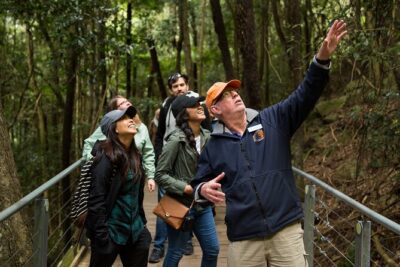
All Inclusive Blue Mountain,Scenic World,Lunch,Koalas,ferry
Read our review →
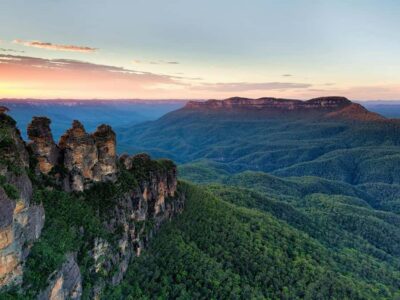
Blue Mountains Small-Group Tour from Sydney with Scenic World,Sydney Zoo & Ferry
Read our review →
Blue Mountains Day Trip from Sydney Including Scenic World
Read our review →
Blue Mountains Tour with Waterfall Walk & Lunch
Read our review →
Blue Mountains Adventure: Scenic World, Zoo & Koala Photo
Read our review →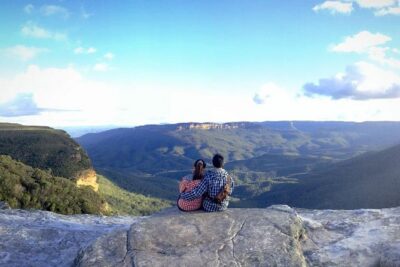
Blue Mountains Day Tour Including Parramatta River Cruise
Read our review →Browse the lists this tour appears in