
Reviewed · SYDNEY TREE ROPES & HIGH ROPES COURSES
Flying Fox Experience, Thousands of Australia’s Largest Bat
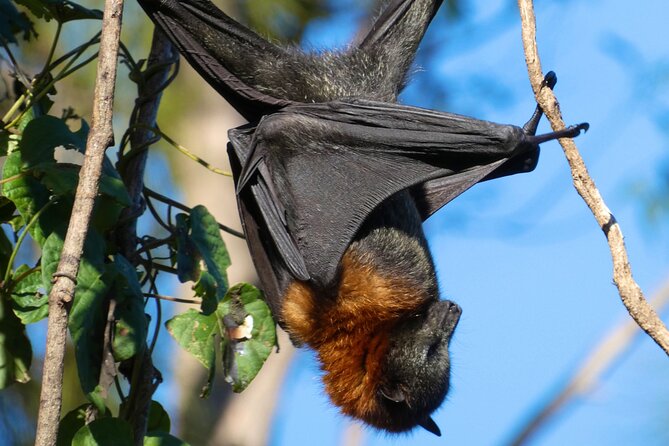
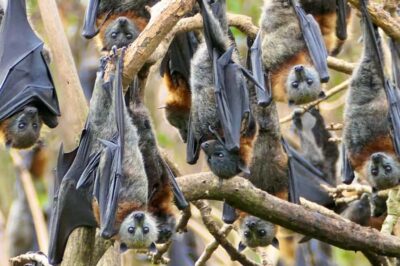
Thousands of flying foxes can turn an ordinary Sydney morning into a remarkable wildlife show. At the reserve, you may see Australia’s largest bats hanging, calling, climbing, and sweeping through the air with wingspans of about three feet.
I like the eye-level viewing and the fact that Dave supplies binoculars and high-zoom cameras, so you are not forced to rely on a phone. I also like the relaxed small-group format, with a maximum of 14 people. The main consideration is weather: this is an outdoor wildlife experience, and poor conditions can lead to a rescheduled trip or refund.
Key details before you book
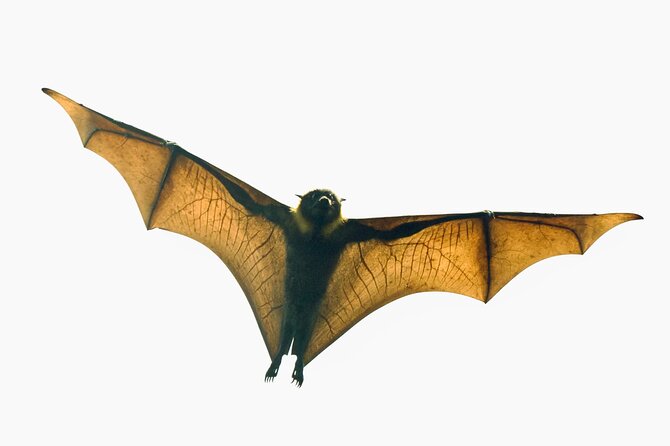
- Thousands of wild flying foxes: See a large colony of Australia’s biggest bats in their natural setting, rather than in an enclosure.
- Cameras and binoculars supplied: Use high-zoom equipment and download selected photos to your phone before leaving.
- Guide Dave leads the outing: He explains bat behavior, conservation, and the local wildlife you may spot along the way.
- Small group, about 2.5 hours: The group is capped at 14, allowing more room for questions and help with the equipment.
- Easy Sydney starting point: Meet at Thomas Sutcliff Mort, 36 Bridge Street, near Circular Quay, at 10:00 am.
- Good value for wildlife fans: At $57.38 per person, the price covers transport, guiding, equipment use, snacks, bottled water, and photos shared by the guide.
Why thousands of flying foxes are worth your morning
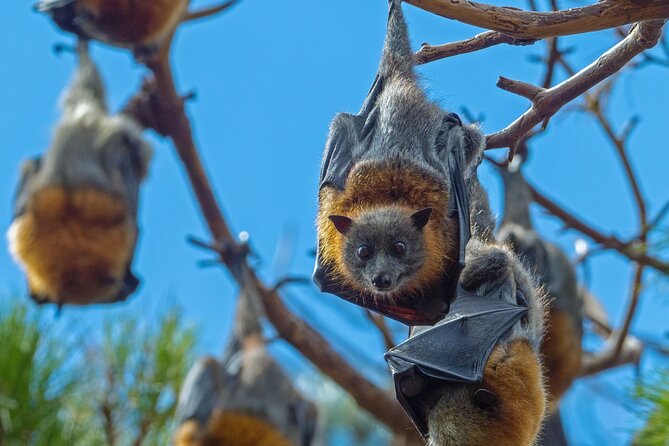
A flying fox is a fruit bat, but the name can undersell the size of the animal. With wings stretching close to three feet, these bats look far more dramatic in the wild than they do in a quick photograph.
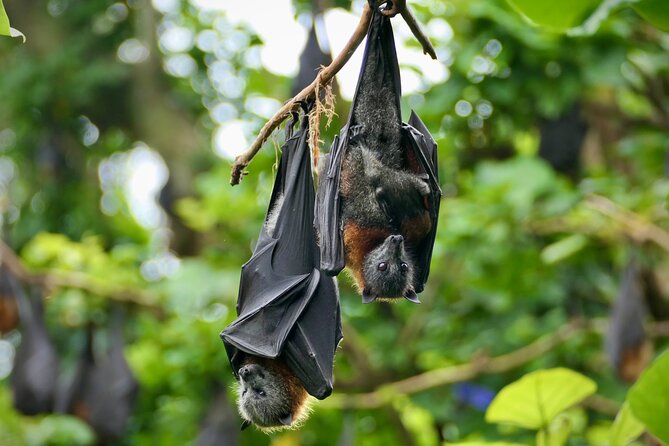
The setting matters. You are not being shown one sleepy bat behind glass. You are watching a living colony as it rests, squabbles, climbs, calls, and occasionally launches into flight. The colony can be active even in the middle of the day, which helps make this a practical morning activity rather than a late-night wildlife outing.
I especially like the chance to see the animals at eye level. That angle lets you notice details that disappear when the bats are high in a tree. A phone may record the general scene, but the supplied cameras and binoculars give you a much better shot at seeing faces, wings, and small movements.
The spectacle is only part of the experience. Flying foxes are endangered, and the guide explains why their numbers and habitat matter. You come away with more than a stack of pictures. You also get a clearer idea of why these large native bats belong in Sydney’s natural world.
More ropes courses around Sydney:
- Sydney: Flying Fox Tour, Australia’s Largest Bats
★ 5.0 · 38 reviews - Pennant Hills: Tree Ropes Course Session
★ 4.3 · 16 reviews - Western Sydney: Junior Tree Ropes Courses
★ 4.9 · 8 reviews
Meeting near Circular Quay at 10:00 am
The day begins at Thomas Sutcliff Mort, 36 Bridge Street, near Circular Quay. That is a useful starting point if you are staying in central Sydney or already planning time around the harbor.
Dave meets you there and drives the group to the reserve. The supplied details describe the activity as lasting about 2 hours and 30 minutes, while the wildlife stop itself is listed as about two hours. I would allow the full 2.5 hours, since the drive and return are part of the morning.
This transport is a real part of the value. You do not need to work out which reserve holds the colony or try to locate the bats yourself. The trip takes you out of the city center, then brings you back to the original meeting point when the activity ends.
The group limit is 14 people. That is small enough for Dave to answer questions and help with the cameras, but it is not a private tour. If every place is filled, you should expect a shared outing rather than a one-on-one wildlife lesson.
At the reserve, watch the colony at close range
The central stop is the bat colony. Your guide explains the endemic fruit bat, also called the flying fox, and talks about its role in the environment and the reasons it is endangered.
Then you get time to watch. The bats may be hanging in trees, interacting with one another, making noise, or moving between branches. Some may take flight across the view. The best moments are not fully predictable, which is part of the appeal of seeing wild animals.
This is not a performance with a fixed schedule. You might get a sudden burst of movement, or you might spend several minutes studying a cluster of bats at rest. The guide’s knowledge of the reserve helps him point out activity and direct your attention to details you could easily miss.
Several other native birds may also appear at the reserve. White ibis and brush turkeys have been noted around the colony, so the bat stop can turn into a broader look at local wildlife. These sightings are not guaranteed, but they add interest while you wait for the bats to move.
Bring patience. If you need constant action, this may feel slow at times. If you enjoy watching animal behavior, the quieter moments give you a chance to see how a large colony functions.
Cameras, binoculars, and photos you can keep
One of the strongest features is the equipment. Dave provides binoculars and high-zoom or reflex cameras for the group to use. That changes the experience from simply looking up at a distant mass to examining the animals in more detail.
The cameras are especially useful for international visitors who may not carry a telephoto lens. You do not need to arrive with specialist wildlife gear to take home better images than a standard phone can usually manage.
The equipment also comes with some practical help. Dave shows you how to use the cameras, and the photos can be connected to your phone for download before you leave. He also shares images taken with his own longer lens, which can help fill in the gaps when the bats are moving too quickly or sitting farther away.
I would still keep your expectations sensible. You are borrowing shared equipment during a short outdoor activity, not receiving a private photography workshop. Conditions, distance, light, and animal movement will affect the results.
Still, this is a notable benefit at the price. A good camera can cost far more than the tour, and carrying one around Sydney is not convenient for most people. Here, you can try the equipment, get help using it, and leave with a visual record of the colony.
Somewhere else entirely, still an easy day from Sydney:
- Sydney: Opera House Guided Tour with Entrance Ticket
★ 4.8 · 8,312 reviews - All Inclusive Blue Mountain,Scenic World,Lunch,Koalas,ferry
★ 5.0 · 7,832 reviews - From Sydney: Blue Mountains Full-Day Trip
★ 4.5 · 4,471 reviews - Sydney Opera House Official Guided Walking Tour
★ 4.5 · 3,770 reviews
Dave’s guiding style and the small-group feel
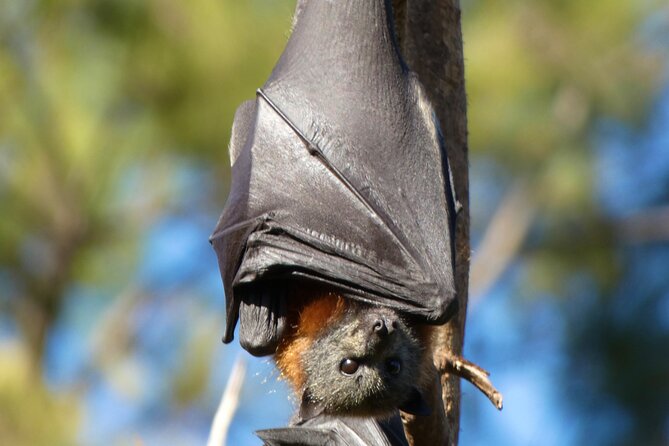
Dave is the guide and driver. His role goes beyond getting you from Bridge Street to the reserve. He explains bat habits, answers questions, points out activity, and helps people handle the cameras and binoculars.
The tone is intended to be relaxed rather than rushed. You have time to watch the colony and ask questions. That matters because wildlife sightings work best when the guide leaves room for observation instead of forcing the group from one point to the next.
The small group also gives the outing a personal feel. With no more than 14 people, Dave can spend more time helping individuals with camera settings or showing them where to look. Families and older adults may appreciate that support, especially if they are not used to wildlife photography.
The reviews supplied for this experience repeatedly praise Dave’s friendly approach, clear explanations, and willingness to share photos. Snacks and bottled water are also provided, a modest touch that makes the morning more comfortable.
A few comments describe extra flexibility with drop-off near Sydney, but the stated end point is the original meeting point. I would plan on returning there unless the operator confirms another arrangement directly.
What the $57.38 price really covers
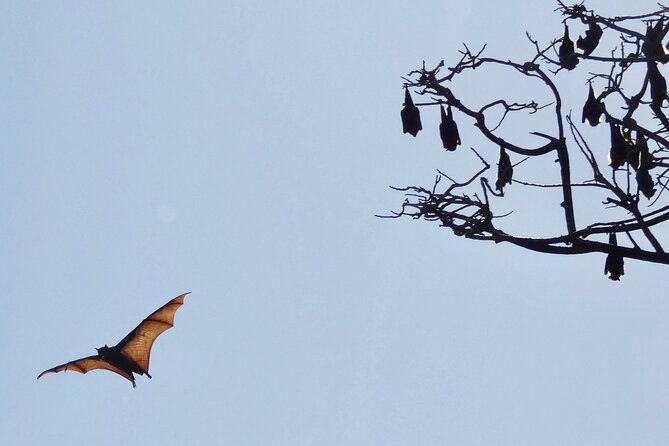
At $57.38 per person, this is not the cheapest way to spend two hours in Sydney. It is also more than a simple walk to a public park. The useful question is what you would need to arrange on your own.
The fee includes a guide, transport from central Sydney, access to binoculars, use of high-zoom cameras, bottled water, snacks, and shared photographs. You are also paying for local knowledge that helps you find a major colony without guessing where to go.
For someone who already has a car, a long camera lens, and a good understanding of Sydney’s wildlife areas, the value may feel less obvious. For most people staying in the city, the equipment and guided access make the price reasonable.
The photo support is the key extra. You do not simply see the bats and leave with a few blurry phone images. You have a better chance of capturing close detail, then transferring pictures to your own device.
I would call this good value for a visitor who wants a focused wildlife activity and does not want to spend a full day outside Sydney. It is also a useful choice when you have already seen the harbor, the Opera House, and the usual city sights and want a different side of the area.
Who will enjoy this most
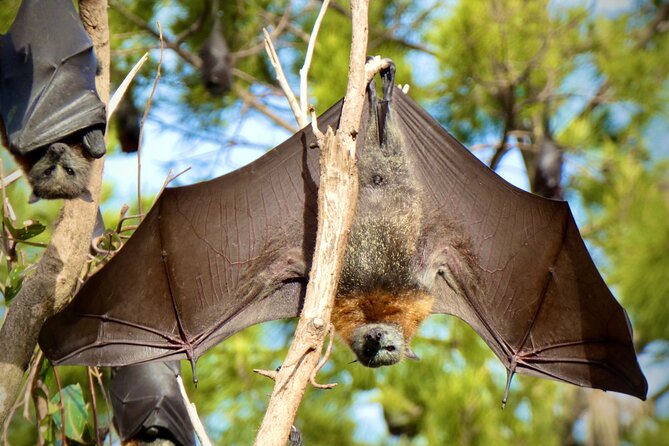
I would choose this experience if you like wildlife, photography, or unusual local outings. It suits solo visitors, couples, families, and older relatives who can participate in a short outdoor activity and travel by vehicle to the reserve.
It is a particularly good match for:
- People who want to see Australian wildlife in the wild
- Anyone interested in bats, conservation, or native species
- Amateur photographers without a telephoto lens
- Families looking for a short activity near central Sydney
- Repeat Sydney visitors who want something beyond the main sights
- Anyone who prefers a guide to handle the transport and wildlife spotting
You should think twice if you dislike animals that may remain still for long stretches. The bats are often active, but no wildlife outing can promise constant flight.
You should also be comfortable with the weather caveat. The activity requires good conditions, and bad weather may cause a new date or a full refund. That is a sensible policy for an outdoor reserve visit, but it means you should avoid scheduling it as the only important activity on your final morning in Sydney.
Practical planning for the morning
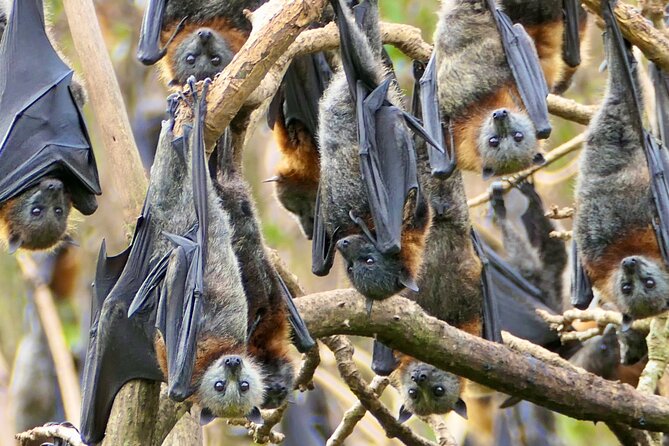
Book with the 10:00 am start in mind. Confirmation is provided when you book, and the experience is near public transportation. I would arrive with enough time to find 36 Bridge Street without rushing.
Wear clothing suited to an outdoor stop and bring your own phone for downloading photographs. The supplied information does not specify a dress code or walking distance, so I would not assume a long hike or a completely indoor setting.
A phone is still useful even though cameras are supplied. You can use it for the shared photos, and you may want it ready when the group returns to the city.
The cancellation terms are simple: cancel at least 24 hours before the local start time for a full refund. Changes or cancellations inside that window are not refunded. The operator can also cancel for poor weather or if the minimum number of participants is not reached, offering another date or a refund.
Six reasons this outing works
First, the bats themselves are the draw. A colony of hundreds or thousands creates a scale that a zoo encounter cannot match.
Second, the animals are close enough to study. Eye-level viewing makes the bats feel like real wildlife rather than distant shapes in a tree.
Third, the equipment removes a common problem. You can see and photograph more without owning specialist gear.
Fourth, the tour stays short. At roughly 2.5 hours, it fits neatly into a Sydney morning and leaves time for other plans.
Fifth, the guide adds context. Learning why flying foxes are endangered gives the sighting meaning and helps you understand the conservation issue.
Sixth, the extras are useful rather than flashy. Snacks, water, binoculars, and shared photos all improve the practical side of the outing.
Should you book the Flying Fox Experience?
Book it if you want a close look at a large Australian bat colony without giving up a full day of your Sydney visit. The combination of guide Dave, transport, camera equipment, and a group capped at 14 makes the $57.38 price fair for most wildlife fans.
I would not choose it for a guaranteed action-packed show or a formal photography class. The animals are wild, the weather matters, and some watching may be quiet. But if you can accept that uncertainty, this is a memorable way to see an important native species in its own setting.
For a first visit to Sydney, it works best after you have allowed time for the major harbor sights. For a return visit, it may be exactly the sort of short, local experience that gives the city more texture.
FAQ
Where does the Flying Fox Experience start?
The meeting point is Thomas Sutcliff Mort, 36 Bridge Street, Sydney NSW 2000, near Circular Quay.
What time does the experience begin?
The stated start time is 10:00 am.
How long does the activity last?
Plan for approximately 2 hours and 30 minutes. The wildlife stop itself is listed as about two hours, with travel included in the overall outing.
How many people can join?
The activity has a maximum of 14 participants.
Are cameras and binoculars provided?
Yes. High-zoom cameras and binoculars are provided for use during the experience. The guide also shares photographs, and the supplied details indicate that you can download images to your phone.
What happens if the weather is poor?
The experience requires good weather. If it is canceled because of poor conditions, you will be offered another date or a full refund. You can also receive a full refund if you cancel at least 24 hours before the start time.
Newest Sydney write-ups
- Sydney: “Vivid Sydney” Festival of Light Sightseeing Cruise★ 4.3 · 24 reviews
- Private Transfer from Sydney Airport to Sydney (CBD)Hotel or Port★ 4.5 · 24 reviews
- Sunset Harbour Bridge Kayak Escape★ 5.0 · 8 reviews
- Whale Watching Sailing Experience in Sydney★ 5.0 · 28 reviews
- Wine Tours Sydney – Southern Highlands Day Escape, Full Day Wine Tasting Tour★ 5.0 · 9 reviews
- Private Wildlife Waterfalls and Wine Day Tour from Sydney★ 5.0 · 6 reviews
- Whale Watching Sydney★ 3.5 · 17 reviews
- Sydney Harbour Tall Ship Whale & Sail – Whale Watching Cruise★ 5.0 · 5 reviews
Sydney Tree Ropes & High Ropes Courses, compared.
Browse the lists this tour appears in